

Forgetting your habits can be frustrating, especially when you really care about changing your daily routine (yeah, that feeling). You might set daily goals and start strong, then somewhere between meetings or everyday stress, the habit slips your mind again. It’s a normal part of habit building and behavior change – NOT a sign that you’re doing something wrong.
Habit building takes time, structure, and the right kind of support. The idea here is to explain why forgetting happens and how to work with your brain instead of fighting it. Tools like a habit tracker app can help by acting as an outside memory when motivation dips, serving as a simple backup brain when life gets busy.
Why Forgetting Your Habits Is Normal
The idea that habits should feel automatic and fully dialled in after just a few weeks often leads to frustration. Most habits actually take several months before they become truly automatic, because the brain is still building the cue‑response loop. Forgetting usually just means the habit is still forming and hasn’t settled in yet.
In our research, we’ve found that habit formation starts within around two months, but there is significant variability, with formation times ranging from four days to nearly a year. So, it’s important for people who are hoping to make healthier habits not to give up at that mythical three-week mark.
Habits that fade also come down to attention. According to the American Psychological Association, 43% of everyday actions happen while we’re thinking about something else (American Psychological Association). On busy days, habits without clear cues get lost in the noise. They’re easy to miss, even when they matter.

Build Systems, Not Willpower
For most people, forgetting, not low drive, is what knocks plans off track. That’s why motivation alone rarely fixes it. Systems do the work by taking memory out of the picture. Simple reminders and small tweaks to your space guide behavior. You feel less pressure, and the setup keeps working.
Habit stacking makes this easy. You link a new habit to something already part of your day, like stretching before brushing your teeth or reviewing daily goals when the laptop opens. Over time, the combination of the same actions and clear order helps those cues become reliable.
Behavioral scientist BJ Fogg explains this idea in a practical way:
If you pick the right small behavior and sequence it right, then you won’t have to motivate yourself to have it grow. It will just happen naturally, like a good seed planted in a good spot.
Shrinking habits also works well. A two‑minute version done daily beats a big plan that gets skipped on hectic weeks. We cover this research in Mini Habits: The Science Behind Starting Small for Big Changes. Additionally, you can explore Habit Building and the 7-21-90 Rule Explained for deeper insights into timelines and the psychology behind lasting routines.
Use the Everyday Habit Tracker App as External Memory
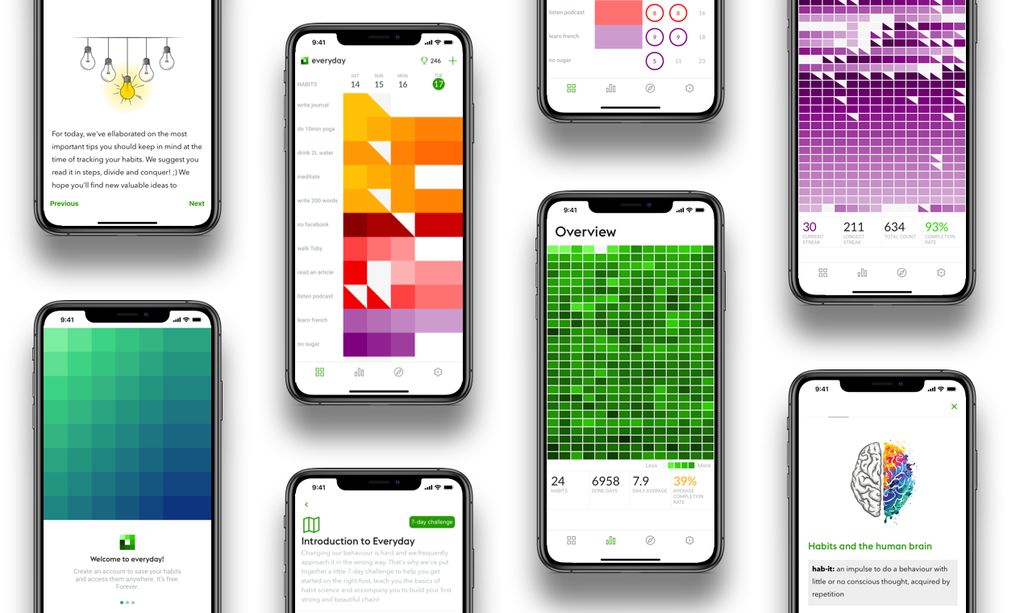
Our usual busy days don’t leave much room to remember small routines, so having backup really helps. A habit app does the remembering for you, reducing mental load and tracking things in the background while you focus on other stuff. What makes this work is how light it feels: clear visibility, quick feedback, and no confusing setup to get lost in.
The Everyday habit tracking app sticks to the basics that people actually keep using. It’s beautiful, simple interface ensures that daily check-ins are clear and streaks are easy to see. When logging takes just a few seconds, people come back more often, even after missing a day. Less pressure, more clarity, and you can see that change over time.
A stunning 43% of everyday actions are enacted habitually while people are thinking about something else.
Seeing your habit board each day keeps your intention in view long enough for actions to become automatic. If missed days usually stress you out, this article shares a calmer way to think about it: Daily Habits That Survive When You Miss A Day. You can also have a look at Daily Routines: How to Track Your Habits for Maximum Impact, which offers practical techniques that complement your habit-building journey.
Make Forgetting Your Habit Routine Less Likely
If your habits aren’t dialling in, you might be asking for too much, too soon. Simple works better.
- Start smaller than feels needed, almost silly-easy.
- What do you already do every day? Add the habit right there.
- Tracking works best when you do it right away, even if it feels obvious.
- Reminders work better as cues than alarms; think gentle nudge, not disruption.
- Showing up matters more than doing it perfectly, especially on uneven days.
Habit building stays more reliable when it’s kind, flexible, and easy to see, even after a few missed days. That’s when support helps most. There’s also Your Science-Backed Habits Guide for a Healthy Daily Routine for the bigger picture.
Start hitting your goals... the Everyday way!
Common Questions People Ask
I keep forgetting habits even though I care about them. Why?
Unfortunately, caring doesn’t create reminders. Habits need repeated cues in the same place, and until those build up over time, you’ll forget. That’s normal, don’t sweat it! Most habits take two to five months before they feel automatic.
Are habit tracker apps really effective?
Tracking your habits helps consistency and eases memory load, so it’s easier to remember and keep at it with them. Beginners often stick with habit apps like Everyday that keep things simple; daily check-ins and forgiving streaks matter more than bulky features or complex systems that create pressure.
What should I do if I miss several days?
Start again without guilt – you’re okay here. Miss two days in a row? If that happens, make the habit smaller until it feels easy again, just for now.
Now It’s Your Turn to Start Small to Achieve Big
Forgetting habits doesn’t mean you lack discipline. It points to a system that needs more support, and that’s normal. Clear cues with a simple habit app make staying regular easier without overthinking. Have a go at starting with one habit, and track it each day. The routine will grow on its own. You can do this.
Additionally, for inspiration, check out Micro Habits: Small Changes for Big Impact on Daily Productivity to expand your approach to habit building and daily consistency. And don’t forget to download the Everyday habit app so you can get started today, and every day!