

Most people don’t really struggle with knowing what to do; it’s the doing it again and again that’s the problem. That’s where micro habits can help. They don’t ask you to turn your whole routine upside down; instead, they focus on tiny actions you can repeat on autopilot, without a big change or extra stress. They’re short. Easy. Made to fit into real life, which most people like. And even one minute can count, often more than it sounds. Small wins add up over time and start to feel natural for many people.
This works because it’s easier to start. You don’t need a burst of motivation, and the day doesn’t have to be perfectly planned – there’s no pressure. We explain why micro habits work, how habit psychology supports them, and how an everyday habit tracker or goal tracking app can turn small actions into real progress, sometimes starting with just one minute.
Why Micro Habits Work When Big Goals Don’t
Big goals usually feel exciting at the start. But then the pressure sets in and those early motivational cracks start to show. Studies from the University of California, Irvine suggest it takes about 23 minutes to fully refocus after an interruption, which helps explain why long, rigid productivity plans so often fall apart.
One helpful way to think about micro habits is how they lower the mental barrier to getting started. Writing one sentence or doing a two‑minute stretch usually feels doable, but writing a whole book or doing an entire workout may not. Over time, those small actions create habit loops built around a cue and a quick reward. That immediate “small win” feeling tends to stick.
Micro habits work especially well for students and professionals who care about their wellbeing. Repetition slowly shapes identity without guilt or pressure, which matters day to day. The change still adds up. Curious about the science behind it? We wrote more about this in the guide on mini habits and starting small and also in Your Science-Backed Habits Guide for a Healthy Daily Routine, which explores the research behind small daily actions.
Turning Micro Habits Into Daily Productivity Systems
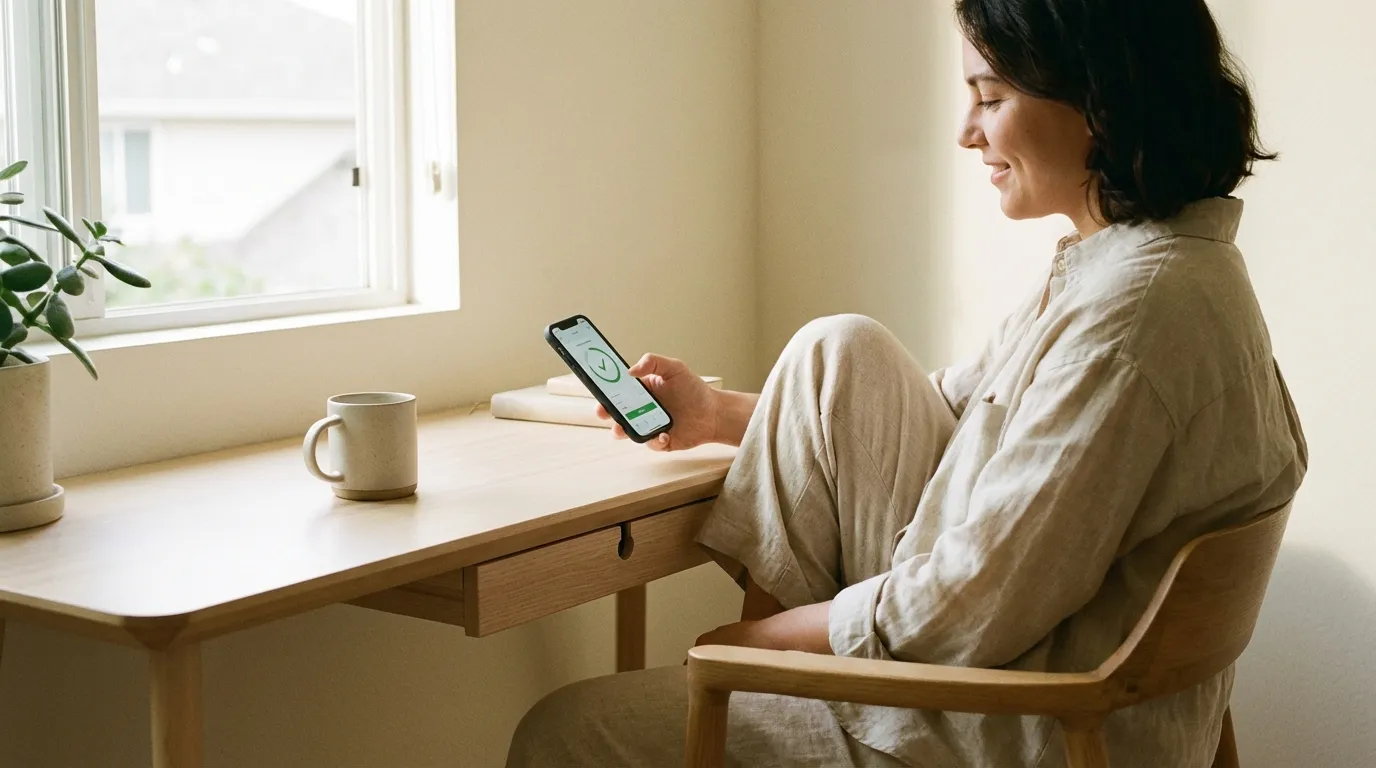
What helps micro habits stick is something people often miss: tracking them. When you can see progress, effort feels more real, even if the habit itself is very small. That’s actually the goal. The Productivity.design 2025 report notes that habit tracking significantly increases consistency, mainly because visual streaks make it easier to repeat a daily action. Small wins build fast when your brain gets clear proof. As the article explains, streaks are hard to ignore, and that visible proof often keeps momentum going.
This is where a habit app like our Everyday habit tracking app really helps. It’s not just a checklist, but feedback. That visibility can help to remove pressure instead of adding it.
Simple habits usually work best for productivity:
- Write down one priority for tomorrow
- Review notes for two minutes
- Stand up and stretch once during work hours
- Log one completed task at the end of the day
Clarity beats cleverness; complicated systems almost always fall apart, which is why very clear actions are easier to remember and repeat. A simple daily habit tracker keeps the focus on showing up. Everyday does this with visible streaks and progress views on both phone and desktop, so habits don’t get lost when you switch screens. That steady setup helps more than it might seem.
If you pick the right small behavior and sequence it right, then you won’t have to motivate yourself to have it grow. It will just happen naturally.
Worried about missing days? That’s normal. There’s more on building daily habits that survive when you miss a day on our blog. Additionally, see Daily Routines: How to Track Your Habits for Maximum Impact for practical tracking ideas that complement micro habits.
Using Habit Tracking for Long‑Term Motivation
What usually keeps motivation going isn’t hype but structure, which can feel like a relief once the early excitement fades. That’s why micro habits tend to work better when paired with a goal tracking app. Instead of waiting for the right mood, people rely on a system that’s already set up. Visual streaks help, and light reminders can too, as long as they stay quiet and not annoying. Together, this creates a gentle feedback loop that keeps progress moving, even on low‑energy days. It’s simple support, and it often holds up when willpower runs out.
Interestingly, many high performers now track fewer habits and keep things lighter, which surprised me too. The Productivity.design report for 2025 shows around 84% of productive individuals maintain daily goal‑setting habits, usually with check‑ins that take a minute or two, not long planning sessions. Micro habits fit neatly into that flow, without much thinking.
Where habit apps really help is spotting patterns. A habit may feel easy on weekdays but fall apart on weekends, and seeing that often changes how people react. Instead of quitting, they tweak timing or expectations. Real examples appear in this piece on habit tracker ideas, which is worth checking out.
Your Frequently Asked Questions, Answered!
What are micro habits?
Micro habits are tiny actions, usually taking one to five minutes, that are easy to repeat each daY. They’re small steps. The idea is consistency: effort often stays low on most days, which helps create long-term change for you.
How do micro habits improve daily productivity?
They reduce decision fatigue, making it far easier to start. Small actions keep momentum going, so your progress grows as the days stack up. Every day!
What if I miss a tracking day?
Missing a day happens a lot, and the goal is a simple setup with light tracking to keep you moving, since that makes getting back on track easier, so don’t quit!
Start Small, Build Daily Momentum
The nice thing about micro habits is that they work because they fit into real life. They’re about doing what sticks. When you start with a micro habit, it stops feeling like a chore and becomes automatic. With less pressure involved, habits have a better chance at lasting.
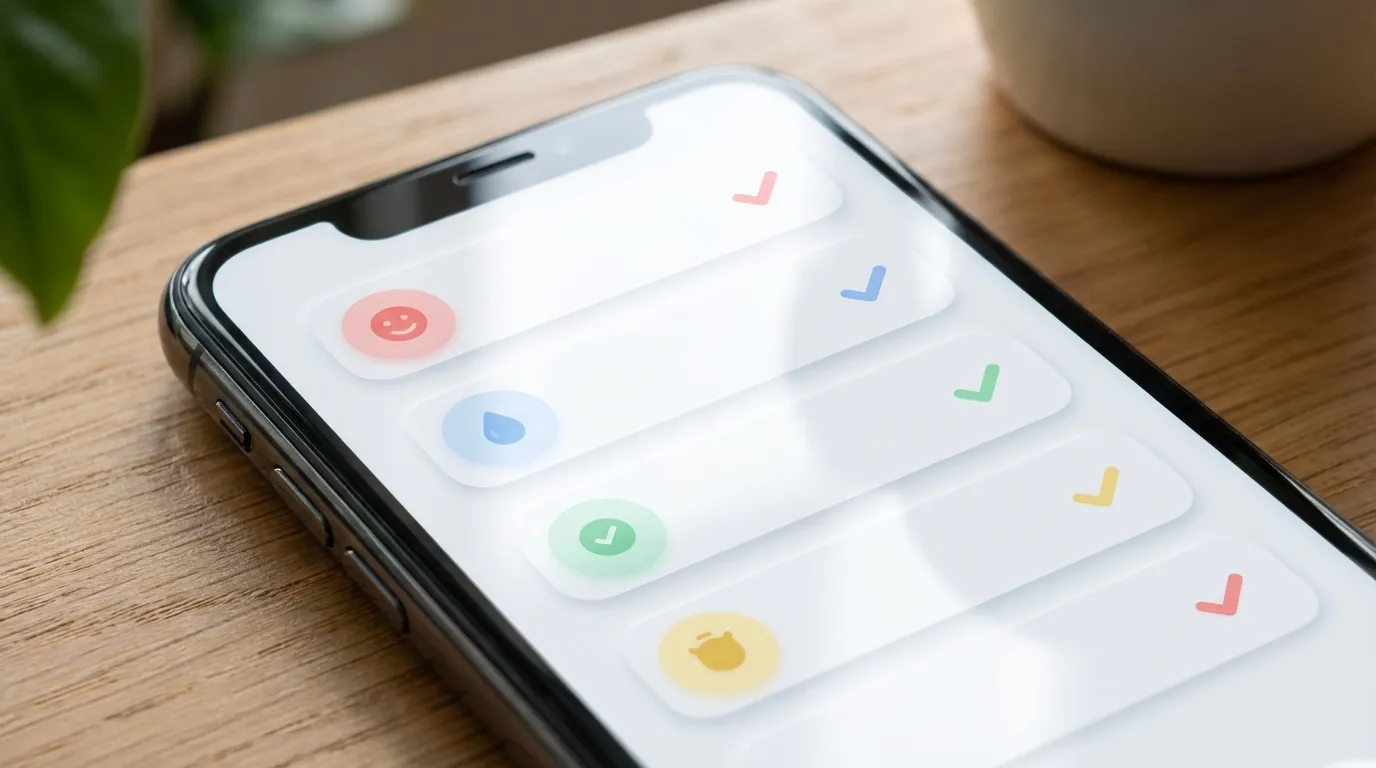
So what makes daily productivity feel lighter? Start with one micro habit and track it every day. The hard part is not quitting early. With the right habit tracking app like ours from Everyday, progress shows as checkmarks, streaks, or small charts, like ticking off one simple task each day. The long-term consistency will develop naturally from there.