

Most people want smoother daily routines. Fewer days that feel wasted too (everyone’s been there!). Most of the time, knowing what to do isn’t the real problem; it’s showing up and doing it again tomorrow.
This is where habit tracking can be an excellent addition to your life. It turns good intentions into something you can actually see on screen via your habit app, and that small bit of visibility lifts motivation. Over time, this clarity builds momentum, and after a while your daily routines will start to feel less like a constant uphill push.
In this guide we’ll go through how to track habits step by step and how starting small can help reduce procrastination. The goal isn’t perfection; consistency matters more.
Why Daily Routines and Habit Tracking Work So Well
What makes habit tracking work for most people is visibility. Once actions are written down or checked off, they’re harder to ignore. The brain tends to respond well to that kind of clear signal, even if there’s some early doubt. That steady reminder often matters more than hype or big promises.
The interesting part is that this isn’t just a gut feeling. Research backs it up. A large behavioral science review with more than 19,000 participants found that habit tracking had a strong positive effect on behavior change. That’s solid evidence, not a tiny lift. Insights shared by Harvard Business Review, which often looks at work habits and productivity, show that structured tracking can raise self-reported productivity by up to 34% (Harvard Business Review).
According to Dr. Wendy Wood of the American Psychological Association, habits form when repeated actions turn into automatic responses to cues (American Psychological Association). Repetition tends to beat short bursts of effort, so simple daily routines with a habit tracker like Everyday work.
How to Build Daily Routines That Stick
Daily routines that last usually don’t start with big life changes. Smaller actions often lower the pressure that makes people quit. For example:
- Read one page or write one sentence (something you can finish even on a long day)
- Walk for five minutes
At first, these can feel almost too small to matter. But that’s often exactly why they last. Instead of aiming for “get fit,” track something clear like “stretch for five minutes.” That way, there’s no guessing when the day gets busy.
It also helps to connect habits to existing cues. Morning coffee can naturally lead into journaling, and closing your laptop can signal a short walk. Simple, automatic, and often easier than expected.
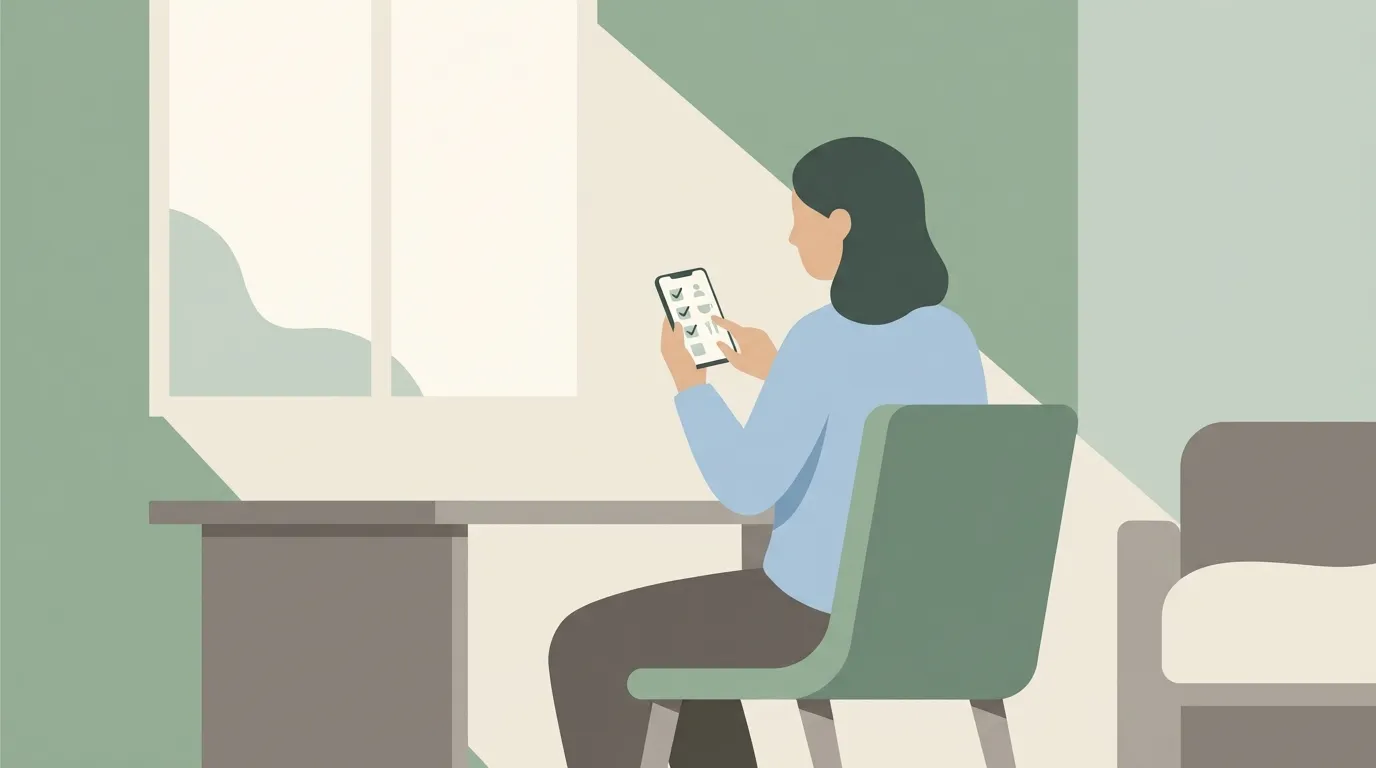
Can I Stop Procrastinating With a Daily Habit Tracker?
Procrastination doesn’t mean you’re lazy by any means; it’s tied to things like unclear tasks and emotional resistance. A daily habit tracker helps by making it easier to simply begin. We talk about this idea more in our article Procrastination Tools: How to Stop Procrastinating Right Now, with a focus on systems over pressure – valuable for building consistent daily routines.
When habits are tracked instead of tasks, success shifts toward showing up instead of finishing everything perfectly. Completion is no longer the main rule. In my experience, that small change can affect how the brain reacts to work over time. Writing for two minutes still counts.
This is why streak‑based systems like Everyday work well for many people. They make consistency easy to see, which often matters more than intensity in daily life. Missing a day isn’t a failure. The real goal is coming back the next day and continuing – just don’t skip two days in a row! All‑or‑nothing thinking is common, where one missed day leads to quitting. A flexible daily tracker helps loosen that pattern, slowly and clearly.
Environment matters too. When distractions are nearby, procrastination becomes the default. Small changes can help you to shift things back in line without a full reset:
- Put your phone in another room during focus time
- Close unused tabs and prepare your workspace before you start (doing this ahead of time often helps)
Used with a habit app such as Everyday, the routine stays simple: open the app, do the habit, mark it done. For deeper insight, check out How to Stop Overthinking: Quiet Your Mind with Better Habits, which connects well with building calmer daily routines.
What’s the Best Habit Tracker App in 2026?
The team at Everyday think the best habit tracker app is the one you actually open each day, and we hope that’s the Everyday app! If the app stays closed, the rest of the features don’t get much chance to help.
That’s why it makes sense to focus on a few basic qualities that keep daily use feeling easy. Not fancy extras, just things that remove friction instead of adding it.
- Fast logging that truly takes seconds
- Clear visual progress, like streaks or simple charts you can read fast
- Simple rules without confusing scores
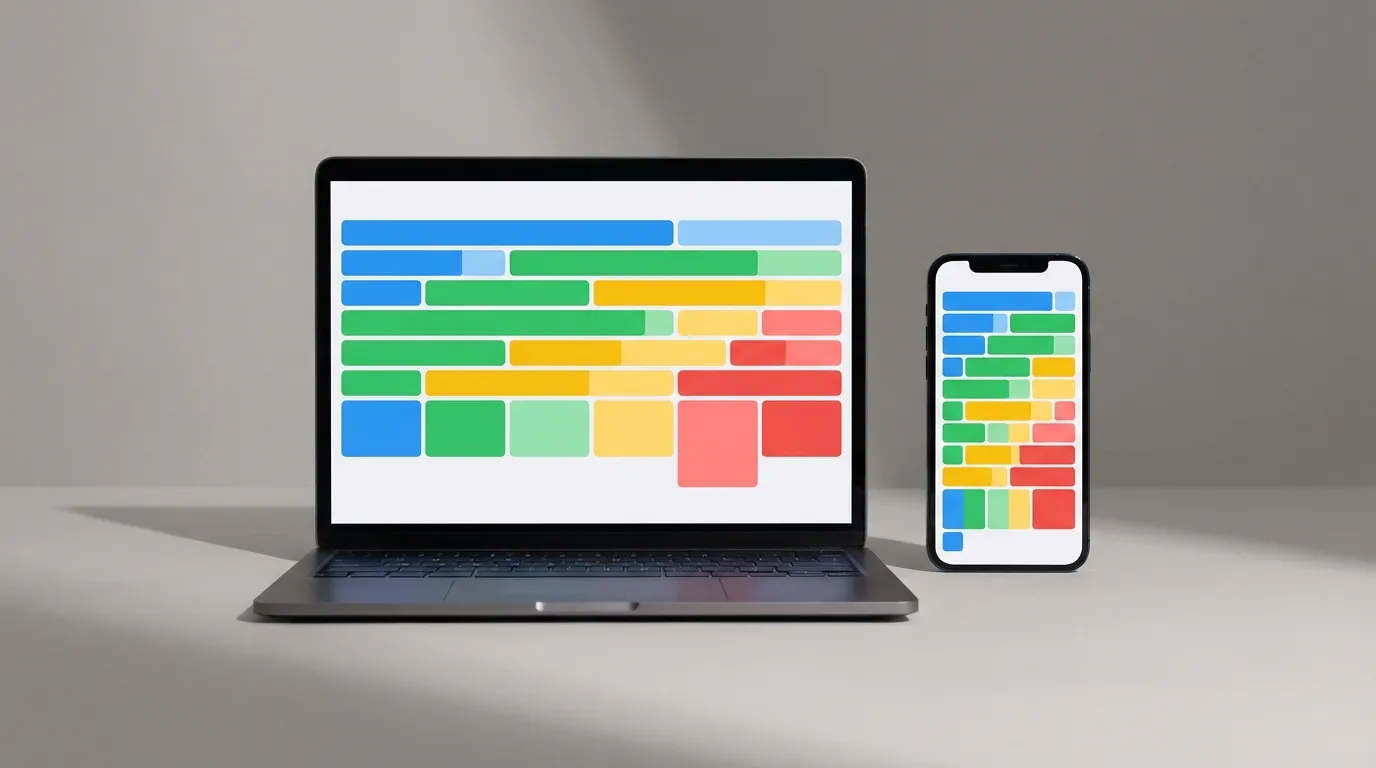
- Cross-device sync so your phone and tablet stay in sync
The Everyday habit tracker is simple, beautiful, calm and forgiving. Visual chains and flexible skips help routines survive real life, like missing a day and starting again without stress.
For additional guidance, the post Daily Habits That Survive When You Miss A Day shares practical examples of habits that align perfectly with strong daily routines.
How to Make Habit Tracking Yours
Habit tracking works best when it slots into your daily life without much of a second thought. Over time, weekly or monthly check-ins will become are more helpful than daily tracking; you’ll usually spot patterns instead of “mistakes.” Are weekends harder? Do evenings disappear fast? That’s feedback to tweak the habit, not a personal issue.
Tracking can also support mental health. Small, steady wins help build self‑trust and ease that stuck feeling. Routines can add stability, especially during stressful times.
For some more inspiration, this guide on habit tracker ideas shares practical examples, from simple daily checklists to flexible routines, that beginners and professionals can actually try.
Moreover, you can read Harnessing Environmental Cues: How Your Surroundings Shape Your Habits to understand how setting up your space supports smoother daily routines.
Now Start Tracking Your Daily Routines!
What makes daily routines stick is usually less about big motivation and more about small actions repeated on busy, real-life days. Short bursts of energy often fade fast. Perfect plans rarely survive real schedules, at least in my experience. The routines that last tend to fit into what’s already going on, often quietly and with very little effort.
One of the most helpful things is seeing what tracking can reveal. A habit tracker shows patterns and feedback over time that will help you dial in you daily routine. Memory and mood matter less when simple systems handle part of the load. That kind of quiet support usually works best.
Procrastination showing up again? It often helps to focus on showing up, not finishing. When habits feel heavy, shrink them until they feel almost too easy. And if tracking starts to feel stressful, strip it back to the basics and ignore the rest. That’s often enough.
This isn’t about changing everything overnight. It’s about one small action today, then doing it again tomorrow. Every day!