
You don’t always notice chronic stress right away. A long week turns into a missed workout. A few rough nights of sleep start to pile up. Then, often in the same week, everything suddenly feels less manageable all at once, and your usual stress reduction go-to’s somehow don’t do the trick anymore like they used to.
That’s why stress reduction usually isn’t about willpower or motivation. It’s more about systems that actually hold up. Real ones. The kind that still work when energy is low or burnout shows up. These systems matter most on the days you don’t feel like pushing at all.
Most people build habits during high‑energy moments. New planners come out, big goals get set (often on a Monday!). Perfect wellness routines look great on paper. But stress doesn’t wait for a clean plan or a better day. It shows up on messy days, and that’s when habits usually fall apart. In most cases, every time.
This guide focuses on building habits that can survive stress and support stress reduction consistently. It draws on behavioral psychology and science‑backed ideas that favor consistency over intensity, such as small actions you can repeat. The goal is daily wellness habits that lower stress instead of adding pressure, which I think often makes the difference. Simple and doable, nothing fancy.
We’ll also look at habit tracking and how to do it without guilt. This isn’t about doing more. It’s about doing what lasts, even when you’re not at your best.
Why Stress Reduction Habits Need a Different System
Stress today isn’t rare, and it doesn’t usually go away on its own. Recent surveys show about 66% of employees reported feeling burned out in the past year, and more than half of adults say stress from work and society affects them daily.
Behavioral psychology helps explain this. As stress increases, the brain often shifts into an energy‑saving mode. Decisions take more effort, and motivation can fade fast. When someone is already worn down, depending on discipline alone usually doesn’t last when they’re just trying to get through the day (most of us know that feeling).
That’s why stress reduction habits need to be small enough to repeat. Five deep breaths at a desk can help more than a 30‑minute meditation when time is tight. Simple on purpose, and usually more doable. These kinds of habits match up with how the brain behaves under stress.
Tracking helps. Seeing progress can ease mental pressure, shifting the focus from “Did I do enough?” to “Did I show up today?” That change alone often lowers stress. If a wellness routine is meant to last, the system has to expect burnout to show up. That part, at least, isn’t a surprise.

The Science Behind Habit Building for Stress Reduction
Habit building works best when it fits how the brain behaves under pressure, which is, honestly, most days. Across more than 20 studies, research suggests that structured habit systems usually improve consistency and habit strength over time. The key part is “structured,” not strict. That difference matters more than it sounds. Structure gives direction without adding extra pressure, and when stress is high, the brain tends to respond better to that kind of balance.
What makes habits feel calming isn’t complicated. They cut down on decisions. The CDC points to small daily actions as a practical way to manage stress over time. Not big overhauls.
Learning to cope in a healthy way can help reduce your stress. Taking small steps in your daily life to manage stress can have a big impact.
From what we’ve seen, science-backed stress-reducing habits share a few traits:
- Clear and easy to start, even on a rough day
- Very short at first, under five minutes, sometimes closer to one
- Connected to routines you already do without thinking
- Some kind of visual tracking, like a checkmark or simple streak
This approach is called habit stacking. It connects a new habit to something familiar, like stretching after brushing your teeth. Tracking helps close the habit loop, as it adds a small reward without pressure. Over time, the brain links the habit with relief instead of effort, which is the goal!
For a deeper look at how habit systems support calm consistency, see Habit Building: What to Do When You Keep Forgetting Your Habits.
Building Daily Wellness Habits That Don’t Burn You Out
Most people struggle with habit building because they start with too much at once, big goals, strict rules, everything stacked together. That approach often backfires, in my view, and it probably feels familiar if you’ve tried it before.
What usually lasts is a wellness routine that starts small. Very small. Sometimes almost boring:
- Choose one stress‑reduction habit
- Make it feel almost too easy
- Tie it to a daily cue
- Track it once per day
Nothing fancy here. Just something you can repeat. That’s usually the part people skip.
Low‑friction habits tend to work best, especially at the start:
- One minute of slow breathing
- Writing one sentence in a journal
- Stepping outside for fresh air
- Stretching for 30 seconds
These habits work because they’re simple. Doing them every day often builds quiet trust with yourself. Over time, that trust can make stress feel more manageable, not gone, just easier to handle.
Missing a day is another common sticking point. Behavioral psychology often shows that the real signal isn’t the miss, but coming back. Many people follow one helpful rule: never miss twice. For additional methods, see Micro Habits: Small Changes for Big Impact on Daily Productivity.
How Habit Tracking Supports Stress Reduction and Mental Resilience
Habit tracking isn’t really about control. It’s more about noticing what actually happens day to day. That kind of awareness can lower pressure on its own.
When stress is high, the mind tends to blow setbacks out of proportion. Missing a habit can feel huge, even when it’s not. Tracking gives something solid to look at in those moments.
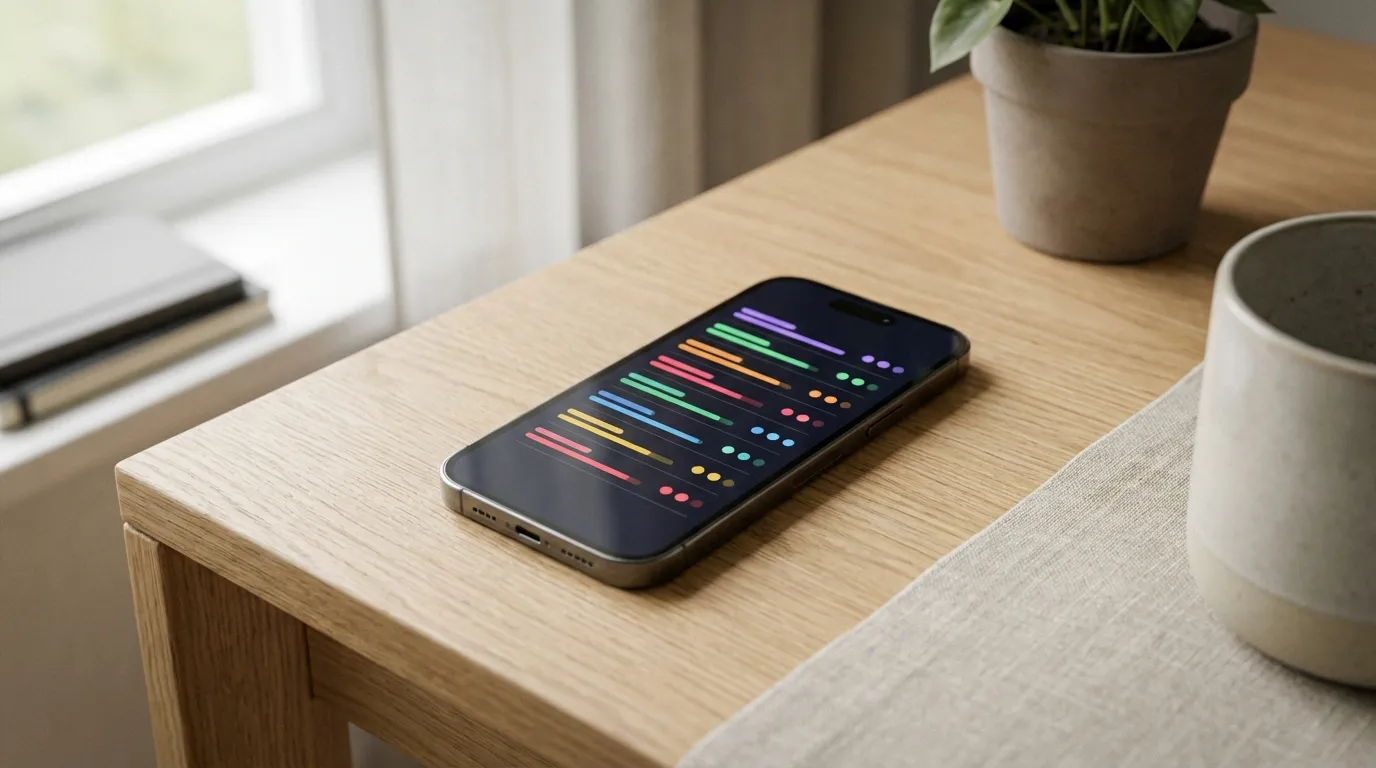
Research shows people who feel supported around mental health are twice as likely to report lower burnout, and a habit tracking app can be a low-pressure option. It remembers small things for you, giving your brain a short break when your mental load is already heavy.
Most effective habit tracking apps share a few traits:
- Simple interfaces that don’t get in the way
- Check-ins that take seconds, not minutes
- Clear visuals you can read at a glance
- Flexible rules for missed days, because life gets messy
That’s where a habit-building app like Everyday fits in. It keeps things light. You log a habit and move on, without extra thinking.
Choosing Tools That Support Stress Reduction, Not Pressure
Not every tool actually helps reduce stress. Some are heavy on the notifications, features and expectations, and before you know it, you’re more stressed than when you started!
Many modern habit apps are moving away from perfection-based streaks and toward flexible consistency. When you look at progress over weeks and months, rest and recovery matter just as much as action.
When choosing a habit-building app, it helps to pause and notice what your first impressions are. Not a long checklist, just enough to catch the signals. You might ask if it leaves you calm or if pressure creeps in, how easy small habits are to track, what happens after a missed day or two, and whether reminders feel gentle or nagging.
Apps built around pure performance often raise stress over time. Tools focused on simply showing up are usually easier to live with and often support mental resilience, too. That’s why many people lean toward simple systems with visual streaks and soft reminders, they still work on low‑energy days, even if all you manage is one small check‑in.
For a deeper comparison, this is covered here: daily routines and habit tracking for maximum impact. You can also explore related tools in Best Reclaim.ai Alternatives 2026: Cheaper, Better Habit Apps.
Want a low-stress habit tracking app?
Questions people usually ask
How many stress-reduction habits should I start with?
One habit, maybe two, is usually plenty. Keeping it small makes it easier to start and helps prevent overwhelm.
What if I miss days when tracking habits?
Missing days happens, and that’s okay. Get back in there and try not to let guilt overtake you. Just make sure you avoid two days in a row!
What habit is easiest to start to reduce stress?
Breathing habits are often the easiest; even one minute of slow breathing can help you get started, and it’s easy to do.
Putting This Into Practice, Gently
The most helpful idea here is that stress reduction doesn’t need a perfect system. It often works better when the system is kind, and honestly, that detail matters more than most people think. That kindness shows up when a setup plans for low‑energy days instead of pushing against them.
Instead of aiming high, build habits that expect some days you’ll be tired, and track progress without guilt (most people need that reminder). When life feels heavy, shrinking a habit can help. That’s often a smart design choice, not a failure.
Behavioral psychology suggests that small actions, repeated over time, shape how you see yourself, which can feel calming. If support helps, Everyday’s habit tracking app can make consistency visible without pressure: you might check it once today, log one habit, and do the same tomorrow.