

Most people try to fix daily routines by adding more. More goals, more tools, more rules! The real change happens when the focus shifts to keystone habits instead. These are small, low-pressure actions that work to improve several areas of life at the same time, reducing stress and saving energy.
So much of our life runs on autopilot. But we can use this to our advantage: when the behaviour around one keystone habit improves, other routines tend to follow naturally. No forcing it!
The great part about dialling in a keystone habit is that you’re not actually doing less; you’re just choosing better. In this article, we’ll look at what keystone habits are and why they work, along with simple tools, like progress visualization, a small but helpful support, that can make sticking with them easier.

What Makes Keystone Habits So Powerful
The real change often shows up in identity. Over time, small wins start to shape how someone sees themselves, and the thought shifts from “I am trying” to a calmer feeling that this is just how they do things. No drama. This happens because keystone habits often create ripple effects, usually in quiet ways. You don’t need willpower all day, which is a relief for most people. Behavior slowly shifts, often without much notice at first. Early wins show up, confidence builds quickly, and that lift comes fast.
That pattern helps explain why habits like daily planning or sleep keep showing up in habit science. In most cases, they create room to work with. Less stress and better focus usually lead to more patience when things pile up. Simple! For deeper insights on how keystone habits multiply productivity, check out Keystone Habits: The Productivity Multiplier You’re Missing.
| Habit Insight | Impact | Year |
|---|---|---|
| Daily behaviors driven by habits | 66.34% | 2025 |
| Habits executed automatically | 87.6% | 2025 |
| Behaviors shaped by habit | Up to 43% | 2024 |
How to Turn Keystone Habits Into Daily Practice
The most effective keystone habit is usually pretty ordinary. Nothing flashy, honestly. It’s something small you can actually do, and it fits into how days already unfold (real days, not the ideal version). Planning tomorrow for five minutes after dinner, for example, works better than a loose promise to “get organized.” These actions stay small on purpose.
That’s also where progress visualization helps. Seeing a streak grow makes effort feel real, even on low-energy days when focus slips. No big push needed, just clear proof that you showed up.
A habit app tool like Everyday that syncs across devices often helps. When habits stay visible at work and at home, they’re easier to remember. A habit-building app can feel like friendly support instead of pressure.
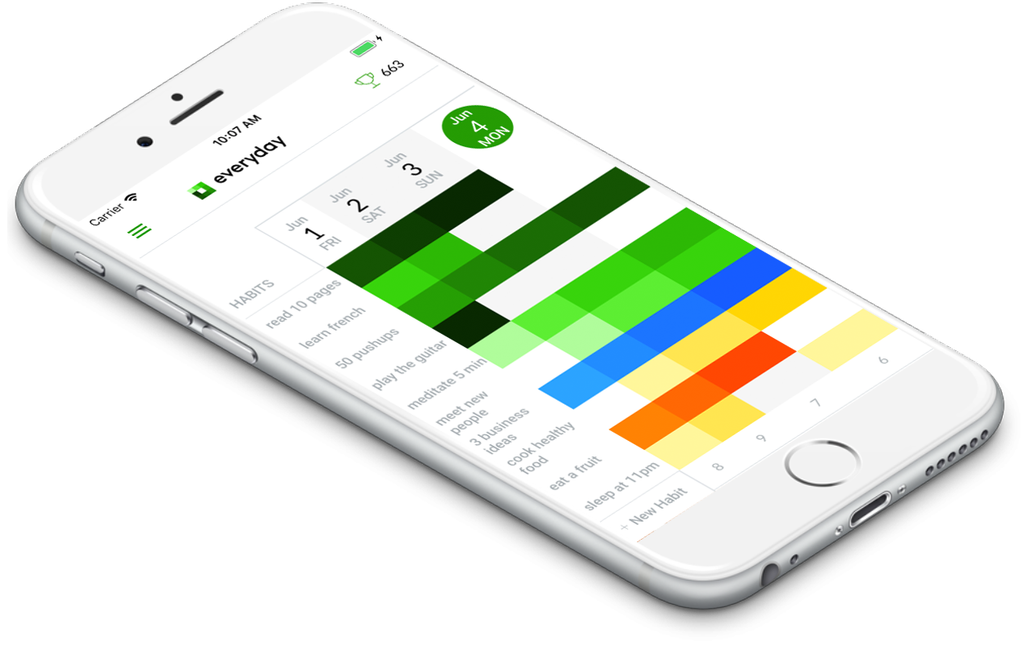
For anyone wanting to look at how structure supports routines, we cover this in our guide on daily routines and habit tracking, where the process is explained step by step. Additionally, you might find Your Science-Backed Habits Guide for a Healthy Daily Routine useful for connecting keystone habits to wellness-focused routines.
Using Habit Tracking and Visualization for Consistency
The real value of tracking isn’t discipline, it’s awareness, and that’s often where change begins. When patterns become visible and therefore tangible, small gaps become easier to spot.
The majority of these actions (66.34%, in fact) are, indeed, habitual, suggesting that making healthier lifestyle changes may be less about starting from scratch and more about swapping one habit for another.
That’s why the best habit app is usually a simple one. Clear checkmarks, visual streaks, and soft reminders tend to work better than complicated systems. Everyday was built on this premise, focusing on progress without piling on guilt, which helps habits last longer, even with busy schedules or a missed day now and then. If you’re curious about habit tracking techniques to get you started with your very first habit, see Habit Tracker Ideas: What to Track (and How to Stick With It).
If you’d also like to explore how keystone habits survive missed days, take a look at Daily Habits That Survive When You Miss A Day.
Build your First Keystone Habit with Everyday
Your Common Questions About Keystone Habits
What is a keystone habit?
A keystone habit is a small behavior that often sparks helpful changes in your life, usually by building momentum, so other good habits start and keep sticking over time.
How do keystone habits work?
Keystone habits create change through these four primary traits:
- Small wins – They generate early successes that build momentum and confidence
- Identity and structural shifts – They change how you see yourself (“I’m someone who exercises” becomes “I’m someone who takes care of my health”) and establish routines and environmental cues that support additional positive behaviours.
- Catalytic (creates a chain reaction) – A one small habit that triggers positive changes elsewhere in your life.
- Creates mental and/or physical capacity – It frees up energy and mental space by reducing stress on the nervous system, making other tasks feel more manageable.
At Everyday.app, we think it works best to begin with just one habit, especially when you’re just starting out on your habit-building journey. When that routine starts to feel automatic and effortless, you can have a go at adding another alongside it.
How do I find my own keystone habit?
Start with habits that feel easy and create small wins where change matters (nothing fancy). Planning sleep routines is a good place to start!
What happens if I miss a day?
Missing a day happens. The goal is to get back on track without any needless worry or guilt. Flexible systems work better over time; forward momentum better supports you in reaching your long-term goals over short-term perfection.
Putting Keystone Habits Into Practice
Keystone habits aren’t about doing everything at once. Instead, choose one small action that makes other things feel easier.
The best part about keystone habits is how one small shift can push everything else in the right direction. They aren’t about doing everything at once. To us here at Everyday, it’s about picking one behavior that changes routines, identity, environment, and the small daily choices around it. That becomes the base you build from.
You’ll notice that a habit that feels meaningful but still doable tend to hold up better. Over time, you’ll start stacking other behaviors using this same approach. And as always, remember: You’ve just got to do it every day!