

TL;DR: The article says a healthy lifestyle usually comes from small, repeatable actions instead of extreme resets, which makes the habits that matter most feel much easier to stick with over time.
The 10 tips start with the basics: daily movement, strength training, sitting less, sleep, eating whole foods. Then come the ones people skip – stress management, mindfulness practice and supportive relationships all make the list, avoiding smoking and nicotine is non-negotiable, and the final tip is building simple routines that hold the rest together.
A truly healthy lifestyle usually depends less on going all in and more on being consistent over time. For people interested in life improvement and personal development, the habits that help most are often the ones that make things easier, fit into busy days, and still support energy, focus, and long-term health.
Wellness advice always comes back to the same age-old tips: move every day, sleep properly, eat good food, minimize stress. None of it is news! What separates the people who benefit from the people who just nod along is whether the habits are realistic enough to survive a busy stretch – because a routine you abandon every time work heats up isn’t really a routine. The 10 tips below are picked with that survival test in mind, along with one easy way to keep track of them once you’ve chosen yours.
Nearly one third (31%) of the world’s adult population, 1.8 billion adults, are physically inactive.
Start with healthy lifestyle habits that build momentum
The first five habits are probably the physical base. That’s likely where you’ll start building momentum.
1. Move daily for a healthy lifestyle
This doesn’t need to be a full workout… a walk after lunch still counts. That kind of smaller movement often matters here, especially because micro-movement is getting more popular for a reason: for most people, it’s usually easier to keep up than an all-or-nothing fitness plan.
2. Strength train a few times a week
Cardio matters, and strength usually does too. In the 2025 DKV report, though, only 32% of respondents met both endurance and muscle-strengthening recommendations (ERGO Newsroom). Bodyweight exercises at home are a quick, free alternative, especially on days when you can’t get to the gym.
3. Reduce sedentary time
Sitting less is a habit in itself, not just part of exercise, and that’s easy to miss. The same DKV report found average daily sitting time rose to 613 minutes per day in 2025 (ERGO Newsroom). Try standing during calls, walking between tasks, setting a simple hourly reminder, or just getting up more often. My Exercise Snacks is a great tool to help make sure you get this movement in!
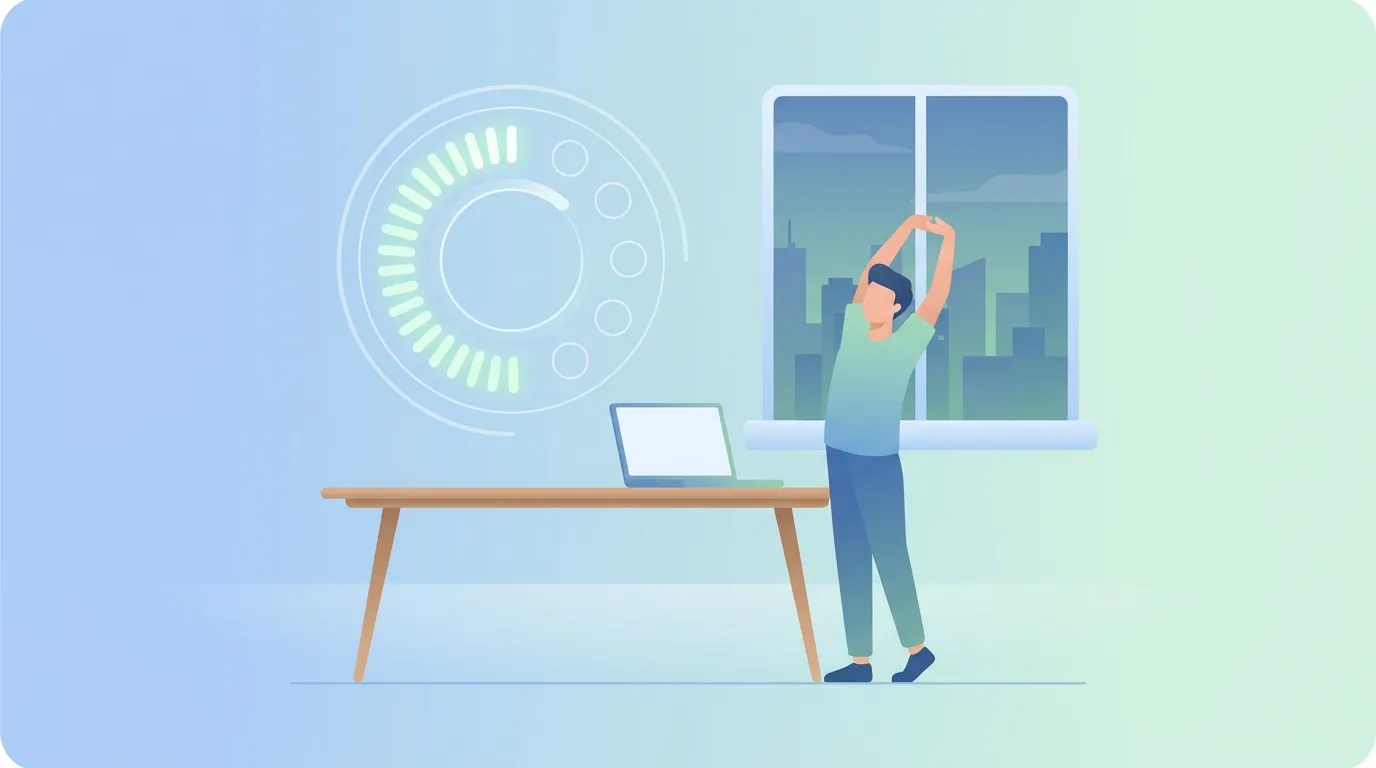
4. Make sleep part of your healthy lifestyle routine
The Healthy Ireland Survey 2024 found that average sleep on regular weeknights was 6.9 hours (Healthy Ireland Survey 2024). That really isn’t much! The two levers most people can actually pull are a bedtime that stays put and a phone that goes away before it.
5. Eat mostly whole, balanced foods
Eating perfectly isn’t the goal here. What usually helps is having regular meals with protein, fibre, fruit, vegetables, and enough water, without making it anything fancy. It’s really just simple, practical stuff. For more realistic guidance on food and health routines, this science-backed habits guide is a helpful next read. You can also explore 8 New Healthy Habits to Embrace in 2026 for a Better You for more everyday ideas.
Protect your mental and emotional energy
A healthy lifestyle isn’t just physical. It also depends on what your nervous system takes in each day, and that’s often easy to miss.
6. Manage stress on purpose
Stress usually doesn’t just go away when you ignore it (annoying, I know). In the DKV Report 2025, only 20% of respondents met the stress-perception benchmark (ERGO Newsroom), which is pretty easy to miss. So here, stress management still feels like one of the most overlooked important habits. For more support, Stress Reduction Habits That Survive Burnout shares a few practical approaches that feel manageable.
7. Mindfulness / emotional regulation
University of Utah health experts put today’s wellness approach pretty simply: healthspan often improves through manageable actions like movement, connection, and mindfulness, which helps it feel doable (University of Utah Health).
8. Build supportive relationships
These days, more wellness conversations include community, and that usually makes sense. A walk with a friend or even a quick weekly call can make habits easier to keep up. In many cases, an accountability partner helps too. And when motivation comes and goes, which it often does, self discipline vs motivation explains why systems matter more than mood and why support helps too. There’s also a helpful look at connection in Why Real Connections Matter: The Social Habits Reshaping 2026.
Remove the habits that work against a healthy lifestyle
Sometimes improving your life isn’t about adding more, and it’s easy to forget that.
9. Smoking / nicotine
This is still one of the clearest, evidence-backed changes for long-term health. Singapore’s Ministry of Health says it pretty plainly too, which honestly makes it easier to trust:
Having a healthy diet, increasing physical activity, managing stress and ceasing smoking reduces the risk of chronic diseases and other health risks.
10. Create repeatable routines
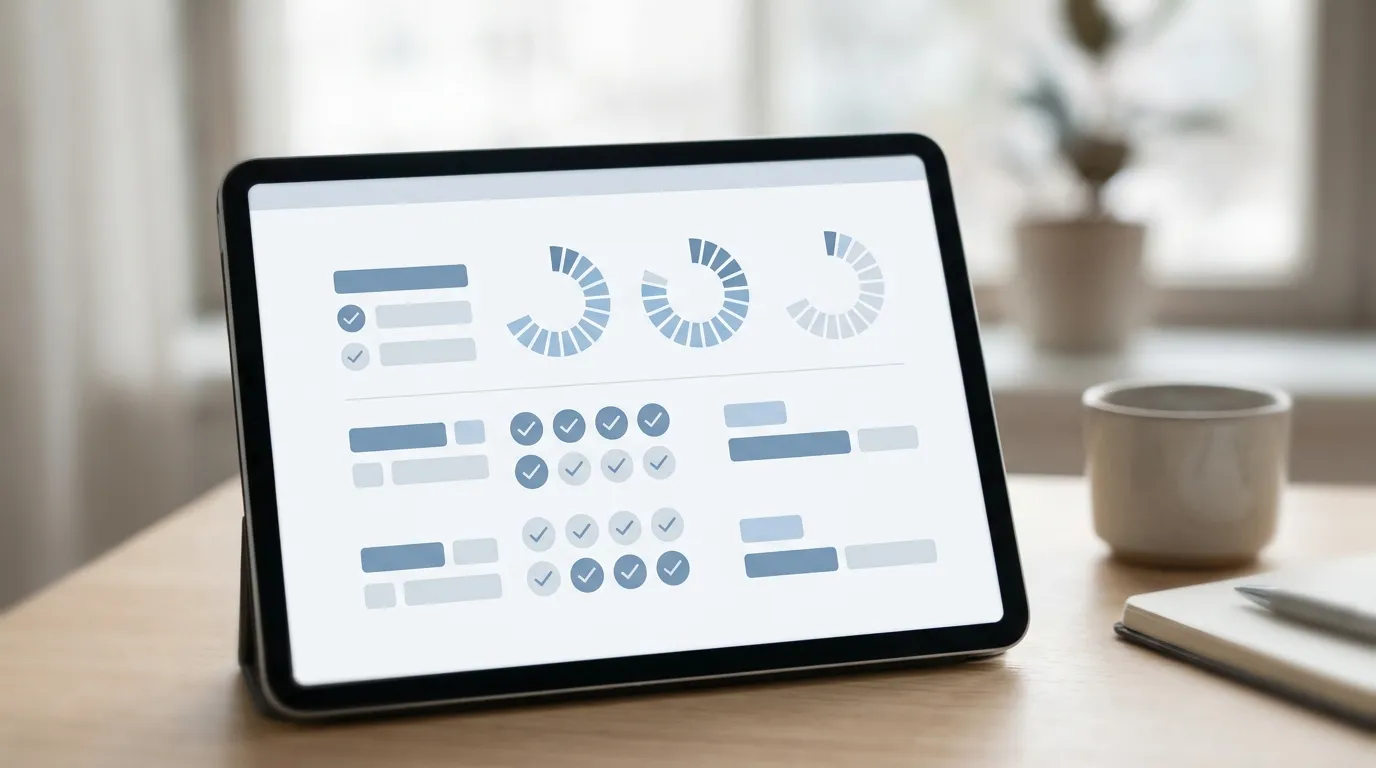
Tools can help here. A minimalist tracker like Everyday keeps habits visible, supports streaks, and works across devices, which honestly often makes things easier without making wellness feel like homework. For lots of people, a simple habit tracking app is enough to help close the gap between good intentions and actually following through. Pretty helpful. You can also compare different Lifestyle Apps for Better Daily Progress if you want more options.
Slot these habits into real life
If ten habits sounds like too much, that’s because it is. Start with two instead: one to add and one to cut back on.
There’s also some oddly comforting data on this. According to the DKV report, only 2 percent of Germans have an all-round healthy lifestyle. Read that again before you feel guilty about your own gaps – 98 percent of the country hasn’t got the complete package either, which means perfection was never the entry requirement. The people making progress are simply the ones who keep restarting.
That’s the real principle behind everything on this list. A healthier lifestyle is built from actions small enough to repeat and forgiving enough to pick back up after a sh*tty week. Get those two qualities right and personal development stops being one more obligation on the pile. It just becomes part of how the week works.