

Social life calling so no time for screens? Here’s the TL;DR: The article says that in 2026, real connection is becoming more and more necessary for personal wellbeing, productivity, motivation, and sticking with habits. In this context, simple matters most. The mistakes that trip people up are predictable ones – waiting for plans to happen spontaneously, or mistaking being visible online for being close to anyone. The fix is unglamorous but effective: pick one repeatable thing and build it into the routine. Whatever survives your busiest week is the right choice.
People haven’t logged off in 2026. They’re still busy, still optimizing workouts and work blocks, still online more hours than they’d like to admit. What’s changed is a question that productivity culture rarely gets around to asking: who are you actually connected to?
The answer affects nearly everything else. Real connection has stopped being a weekend extra and started functioning as infrastructure – the thing that protects mental energy and keeps routines from collapsing the first time motivation dips. And the social trends gaining ground this year mostly point away from visibility. Fewer people are trying to be seen by more people. More are trying to be genuinely involved with a smaller circle close to home.
For anyone working on self-improvement, that’s a practical opening rather than a feel-good observation. Healthy behavior is easier to repeat when someone else is expecting you, and accountability from a real person tends to land as encouragement where an app notification lands as nagging. Below, we’ll get into why community participation is rising, which social habits are actually sticking, and how to build connection into a full week without turning your social life into one more metric to hit.
Why connection is becoming a productivity issue, not just a personal one
For a long time, social life and productivity were treated like opposites. One was seen as the serious part of life. The other was whatever got squeezed in later, if there was any time left. That split is starting to feel outdated, and a lot of people can probably sense that already.
People are looking for:
- smaller circles they can actually keep up with
- regular check-ins instead of endless scrolling
- low-pressure group routines
- in-person or voice-based connection that feels real
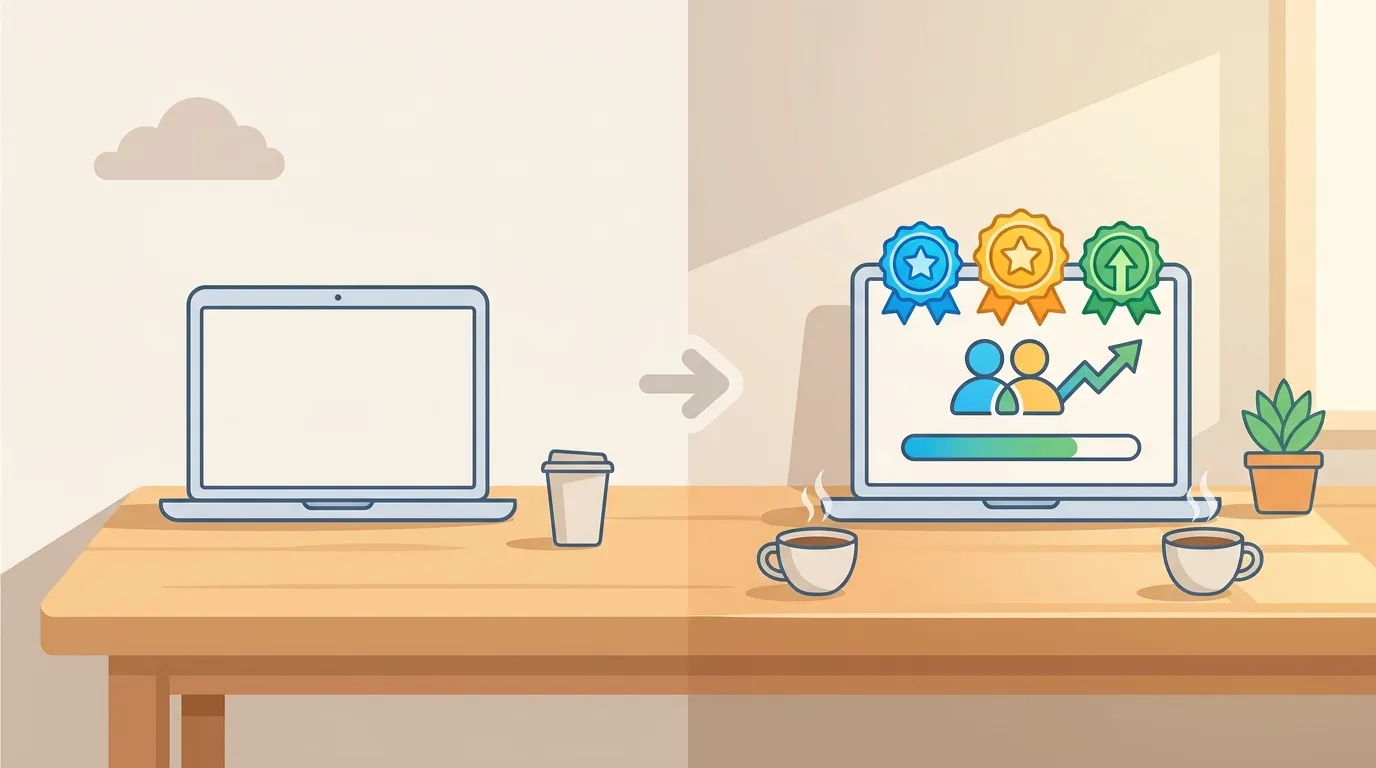
This shift also matters for habit formation. Routines are often easier to keep up when they are tied to another person. A reading habit often sticks better when a friend asks what you thought about the last chapter. And a weekly volunteer hour can feel much more solid than a vague promise to “be more social.” If you have already looked at why habits are important, the social layer was part of that too, and it is often what helps habits last.
Additionally, some people are also pairing connection with other healthy routines. Articles like 8 New Healthy Habits to Embrace in 2026 for a Better You reflect how social routines are increasingly connected to broader wellbeing goals.
The social habits defining 2026
The biggest social habits of 2026 aren’t flashy. They’re actually pretty simple, which probably helps. For most people, they’re also easy to repeat, fitting into daily routines and normal life. That’s likely why they’re sticking.
1. Scheduled micro-connection
Instead of waiting for the perfect free evening, people are setting up small, regular touchpoints: a Tuesday call, a shared lunch break, a ten-minute walk after work, or a regular Saturday message to parents or friends (small stuff, really). They’re simple, and they often make it a lot easier to stay close, especially during busy weeks.
2. Interest-based community participation
More people are joining communities where you do something together rather than sit in a circle discussing it. Running groups, repair cafes, neighborhood cleanups – the format matters less than the fact that there’s a task at the center. The task does two jobs at once. It gives the gathering a structure so nobody has to carry the room, and it hands everyone a ready-made topic, which means you never face that cold-start problem of making conversation with strangers from nothing.
3. Fewer broad networks, deeper repeats
A lot of people are choosing to spend less time trying to keep up with everyone, which is probably a relief. Instead, they’re coming back more often to the same few people and places. That repetition builds familiarity, and it often makes social friction feel lower for you.
4. Shared accountability for social habits
This feels especially relevant for Everyday readers right now. Social habits are more and more tied to specific goals: coworking sessions for focused work, study dates to finish assignments, walking meetups for regular movement, and cooking clubs for planning meals. It’s about making consistency easier for you.
A lot of this connects to keystone behaviors. When one social routine supports several parts of life at the same time, it often becomes something worth protecting. That’s also why articles on keystone habits feel especially relevant right now, at least from this perspective.
Why community participation works better than vague good intentions
Lots of people say they want more friends, more support, or a better sense of balance, but those are outcomes, not actions. Community participation turns a broad hope into something specific you can actually do again, which is often the hardest part.
For example, compare these two intentions:
- ‘I should be less isolated.’
- ‘I go to the Thursday evening community garden for 45 minutes.’
The second one gives you a place, a time, a cue, and other people. That usually makes it much easier to do again, and easier to actually follow through in the first place.
Social habits and repeatable routines
This also matches what we know about behavior change more generally. Successful habits are usually visible, simple, and tied to real cues. Existing Everyday content has already covered the basics of building habits and using streaks, so the next useful step is noticing that social routines often work in a similar way. When a behavior stays abstract, it usually slips away because it is too vague. When it is tied to a setting and a recurring moment, it is much more likely to stick.
One reason local groups are growing again is that they can reduce decision fatigue. Instead of asking yourself over and over whether to go, it simply becomes part of Wednesday.
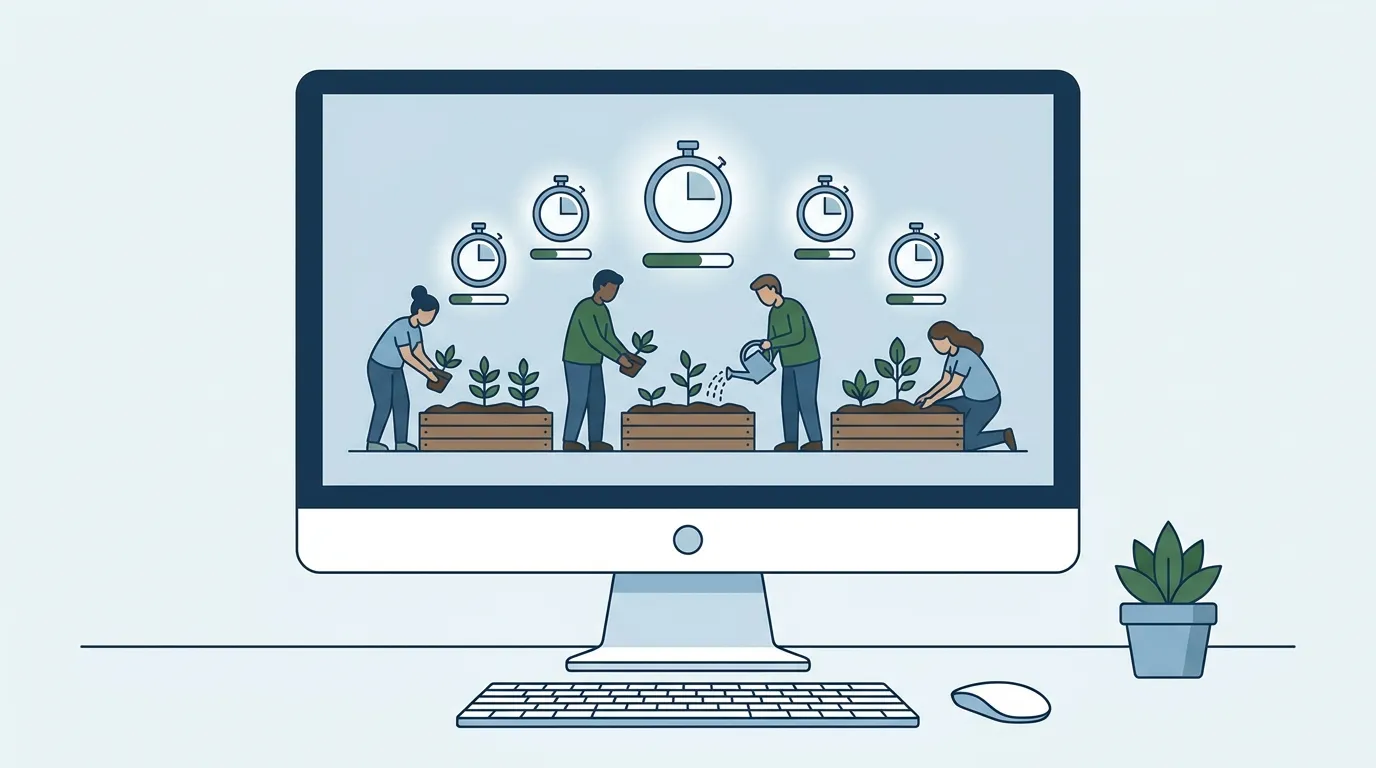
There is also a psychological payoff: showing up for others can strengthen identity. Similar to the ideas in The Rise of Identity-Based Habits, repeated participation can shift self-image from ‘I should be more social’ to ‘I am someone who contributes and stays connected.’ That creates a stronger foundation because it’s no longer just about hoping to connect once in a while. You start to see yourself as the kind of person who shows up, and that identity often makes the habit easier to keep going.
Common mistakes that make social habits harder to keep
People usually don’t struggle with connection because they’re lazy or antisocial. More often, the issue is social goals that are too vague, which happens a lot, or just too ambitious. Sometimes they also rely too much on mood, and that often doesn’t help much.
A few common mistakes tend to come up again and again. Pretty often, really.
Treating connection like a spontaneous bonus
If your whole social life depends on free time magically showing up, it’s most likely getting pushed aside by work, errands, or just being tired. Social habits need a real place in the week, like an actual spot on the calendar.
Trying to change everything at once
Joining three groups, reconnecting with six friends, planning a dinner party, and promising to call family more often can sound impressive, it really can. But it can wear you out fast, often faster than you expect. So start with one social step you can actually keep up, because that is usually enough.
Confusing visibility with closeness
Being active online can feel like connection, and sometimes it is, but it probably doesn’t give much real support. A lot of 2026 social trends seem more like a correction: less broadcasting and more direct contact, like messages or calls.
Choosing high-friction formats
A two-hour meetup across town is often tougher to keep up with than a 15-minute walk around the neighborhood, honestly. Lower-friction options usually work better here, I think.
Measuring only outcomes
Instead of tracking “number of close friends,” focus on actions you can actually control: sending one voice note, going to one meetup, calling one sibling, or sharing one lunch, for example.
A minimalist tracker can help here. A small visual system like Everyday works well when the goal is gentle consistency rather than adding more pressure. It stays short and simple. Tracking a few social habits, like “text a friend,” “family call,” or “community hour,” can make connection easier to notice without making the process feel too clinical, which often helps.
Moreover, people who struggle with all-or-nothing thinking often benefit from smaller systems. Resources like Mini Habits: The Science Behind Starting Small for Big Changes connect well with the idea of making social routines easier to repeat.
How to build better social habits without overcomplicating your life
A simple way to build better social habits is to stop focusing on big social goals and start paying attention to your own rhythm.
Pretty simple, honestly (I think).
Why not try this easy approach? It should help.
Pick one social rhythm for each time scale
- Daily: one small reach-out, like a quick hello or a shared moment, nothing big.
- Weekly: one regular interaction or meetup, or maybe a call if that feels easier.
- Monthly: one deeper event, a visit, or some community activity you’ll probably enjoy.
Make the habit tiny and specific
A small, clear habit often works best. Good examples are:
- send one thoughtful message after lunch
- take a walk with a neighbor every Saturday morning
- attend one local event on the first Sunday of each month
- share one device-free meal with someone each week (that usually helps, honestly)
Social habits work better with anchors
Social routines often get easier when they’re tied to something steady, like habit stacking, since that can really help. Pretty simple. After your Friday shutdown, call a friend. On Sundays after dinner, check in with family or send a quick text. And after your Wednesday morning coffee, confirm your evening meetup so you don’t forget.
Keep the bar low enough to repeat
When life gets busy, small check-ins are usually what really stick. Five steady minutes of real contact will do more than one big social burst followed by three weeks of nothing. Here, being consistent matters more than doing a lot at once, especially if someone is trying to stay connected without turning it into a big project.

Tools can help if they stay simple. A cross-platform habit tracker like a minimalist habit tracking app can make social intentions easier to spot on both phone and desktop, which is especially useful when the week shifts between work and home. It’s not about quantifying friendship, just making follow-through a bit easier.
Staying consistent when energy changes
Not every week will feel equally social, and that is probably normal. Some people naturally have more energy for conversation and community during certain periods than others. However, keeping a few predictable social habits in place can still help maintain connection during stressful stretches.
FAQs
What are social habits?
Repeatable behaviors that keep your relationships going. Replying properly to a message counts. So does hosting a monthly dinner or turning up to the same volunteer shift every week. The size of the habit matters less than whether it happens again.
Why is community participation important in 2026?
Because most people don’t need more contact, they need contact with a shape to it. A standing group or event gives you somewhere to show up without having to organize anything, and it converts “be more social” from a vague intention into something with a day attached.
How can introverts build better social habits?
Pick formats that don’t drain you. A recurring walk with one person beats a party of forty. Small hobby groups work well too, since the activity carries the conversation. What you’re after is something you’d actually repeat next week, and the week after that.
Can tracking social habits actually help?
Yes, if you track actions rather than emotions. Logging habits like ‘call family,’ ‘attend group,’ or ‘send one check-in’ helps you notice patterns and stay intentional. Everyday is one example of a simple tracker that can keep those routines visible without adding much mental overhead.
What social trends are replacing constant social media use?
Smaller private groups. Voice notes instead of posts. Standing in-person gatherings, hobby communities, and deliberate limits on the feeds themselves. The common thread is that people want to participate in something rather than watch updates scroll past.
Make connection part of the routine
What changed in 2026 wasn’t people’s free time or energy levels. It was where they decided their attention should go. The social habits that survive tend to be small and scheduled, which makes them easy to return to after a bad week – and after enough returns, they stop requiring willpower at all.
So if the week already has slots for sleep, movement and planning, connection has earned one too. Start smaller than feels necessary. One Friday call. One walk with a neighbor. One monthly thing in the community, tied to a cue you won’t miss, kept up until you no longer have to talk yourself into it.
None of it needs to be impressive. It needs to survive a busy week, and in 2026 that might be the most useful social skill there is: progress gets easier when other people are built into it.