
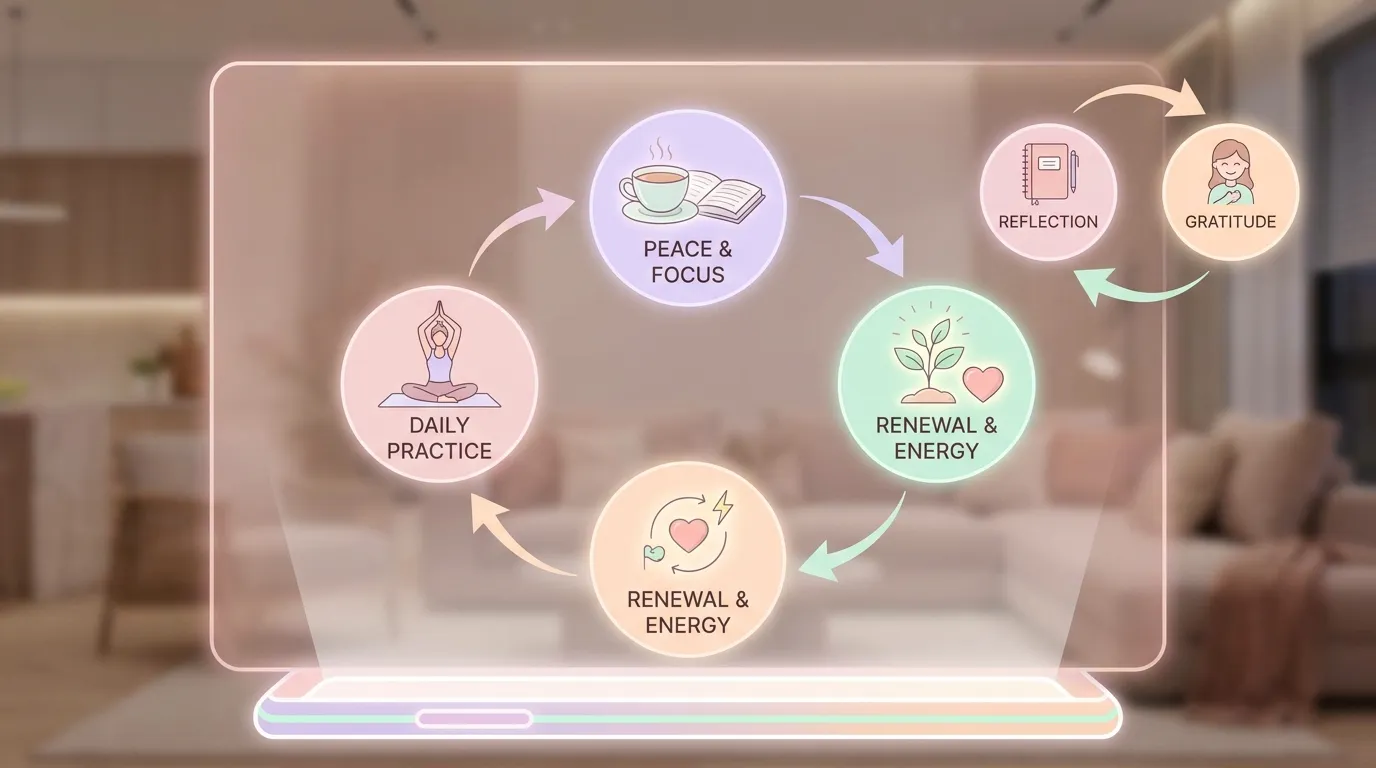
Most people think a daily routine falls apart because of weak discipline. It sounds fair, right? But that idea often falls short of what’s really going on. Willpower has limits, and it runs out fast, especially on busy or stressful days – I’m sure you know the feeling! Because of that, habit success usually comes from behavioral design instead. It means setting up feedback loops that gently guide actions without needing constant effort, rather than relying on motivation alone.
When a routine is built this way, it often feels lighter. There’s less pressure to push all day, which is honestly a relief! Habits start guiding you through small signals and clear responses that still work when energy is low. In this article, we look at how behavioral design works and why feedback loops often matter more than motivation, especially on rough days.
Why Willpower Fails and Daily Routine Systems Win
Willpower often means meeting the same hard choice over and over, and that kind of repeat effort wears you down quickly. Behavioral design tends to work better because it removes the choice before it turns into a fight in your head. Research suggests about 66% of daily behaviors start from habit, not careful thinking, and once a habit kicks in, almost 88% of the time it runs on autopilot.
Relying on motivation alone can be super draining. It pushes against how the brain already likes to work, and it often loses that pull. Habit researcher Amanda Rebar has said this plainly, so it’s not much of a surprise.
Many psychology models portray people as rational decision makers who carefully deliberate over the pros and cons of their options prior to choosing how to act. However, previous research has shown that one of the most reliable predictors of future behavior is past behavior.
Instead of hype, behavioral design looks at cues and feedback, making actions easy to start without an inner argument. The goal is to shape the day so that your choices feels like a natural fit. You can explore more examples in Daily Routines: How to Track Your Habits for Maximum Impact for practical applications that support your behavioral design.
Build your new routine now with Everyday
How Behavioral Feedback Loops Create Habit Success
A feedback loop is usually pretty simple. You try an action, see what happens, and then makes a small change next time – nothing complicated. Over time, the habits that have a positive impact are the ones that tend to stick, mostly because they feel useful instead of forced or chore-like. This idea comes up often in James Clear’s work. He breaks it down in a practical way that people can use in everyday life, and that’s often what makes it work.
The feedback loop behind all human behavior is: try, fail, learn, try differently. With practice, the useless movements fade away and the useful actions get reinforced.
What’s interesting is how intention shifts habit tracking. Seeing progress, no matter how small, sends the brain a clear message that the effort is worth repeating. That helps explain why a large review of digital habit tools found that feedback and monitoring appeared in 88% of programs that worked well.
| Behavioral Technique | Usage in Successful Programs |
|---|---|
| Feedback and monitoring | 88% |
| Prompts and cues | 80% |
| Self-monitoring | 73% |
| Goal setting | 65% |
Perfect streaks aren’t the be all and end all – and with Everyday, they’re not the aim! That’s far too much pressure that sets you up to fail. It works better to notice patterns instead. That’s where habit reflection comes in. A quick weekly check-in can show what’s working and where a small adjustment might help. This idea is also covered in How to Use Habit Reflection for Sustainable Change.
Designing a Routine That Adjusts Alongside You
The best daily routine is the one that stays adaptable and flexible. It should move with real life, not fight it, which most people learn after trying too hard plans. This could mean planning tomorrow right after dinner, while you’re still at the table. Or doing a one‑minute stretch after brushing your teeth, before you forget. These small steps often bring quick wins. Over time, they can grow into bigger changes without extra pressure.
Your environment matters too. The space should support your routine, not get in the way. It often helps to remove friction, like putting distractions farther out of reach. Simple cues, like notes or reminders, can help. The concept of keystone habits is relevant here, which often affect several behaviors at once. We shared more here: The Power of Keystone Habits: Transform Your Daily Routines. Less effort usually means better follow‑through.

For a deeper science-based approach, see Your Science-Backed Habits Guide for a Healthy Daily Routine, which complements these behavioral design ideas.
Where Habit Tracking Fits In
The useful part of habit tracking is how it keeps things light. A good habit tracker helps you notice what’s happening first, letting patterns appear without adding guilt or pressure. You’ll see it shift attention toward participation instead of perfection; showing up most days matters more than hitting perfect numbers, even though metrics still matter. Everyday does this well with clean, beautiful visuals and simple streaks. They’re great for quick feedback, like watching the same streak update on both your phone and laptop. We shared more on this here: Goal Achievement through Habit Tracking: More Than Just Metrics.

Frequently Asked Questions
Do feedback loops really work better than willpower?
Yes. Research shows habits run mostly on automatic behavior. Feedback loops reinforce actions without draining mental energy.
How often should I reflect on my habits?
Once a week is enough for most people. Short habit reflection helps you notice patterns and make small adjustments where needed. But you still have to do the habit every day!
What if I miss days in my daily routine?
Missing days is normal. The key is restarting quickly. Focus on not missing two days in a row rather than being perfect.
Are small habits effective for big goals?
Definitely. Small habits reduce resistance and build identity over time. They often grow naturally once consistency is there.
Putting Behavioral Design Into Practice
What’s cool is how a routine can stop fighting you and start feeling truly helpful. When habits use feedback loops, consistency often feels more natural than forced. That’s when motivation matters less, and a simple system carries you day to day, most days. Why not begin with cues and small actions? Over time, you’ll see that those choices help you stick with the habit. It really is that simple.
You can read Daily Habits That Survive When You Miss A Day for recovery strategies when your daily routine gets interrupted. Skipping one day is fine, just try not to skip two. You’ll be hitting your goals everyday before you know it. You just have to get started!