
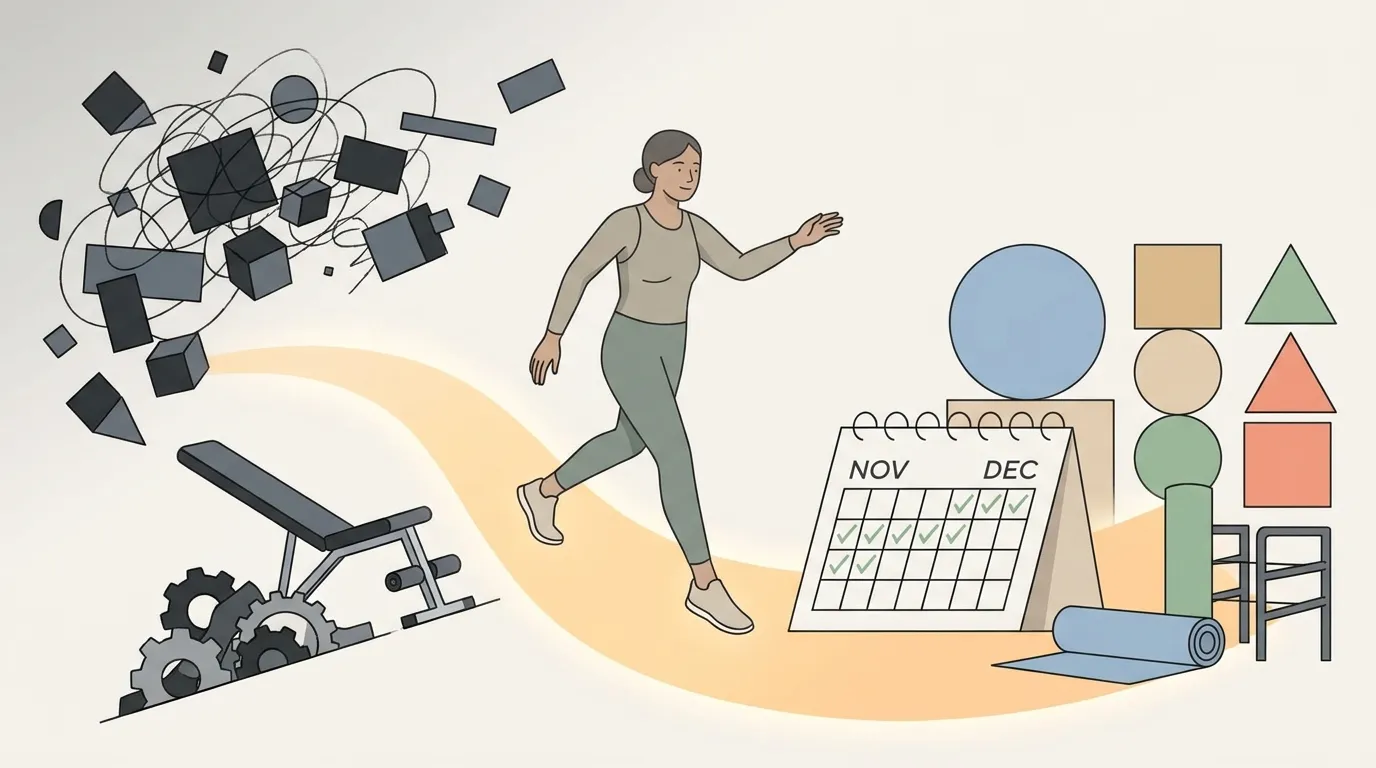
Need a short version? Here’s the TL;DR: The article explains that when you’re burnt out, lost motivation usually comes from low energy, constant stress, and overload rather than laziness or a lack of ambition.
It suggests that pushing yourself to be productive rarely helps. Rather, rebuilding your capacity through very small actions, and tracking behaviors instead of outcomes, with cues that cut down decision fatigue. It also says simple habit tracking can help you trust yourself again, since progress gets easier to notice and routines stay easy to follow, which makes them easier to keep.
It concludes by stating that if you want to recover consistency and motivation over time, boundaries, rest, and a small, realistic and systematic approach is what is most likely to get you there.
When you’re burnt out, motivation feels like one more thing you’re somehow failing at. You usually know what you should do. Maybe you even care a whole lot about doing it! But your brain responds with fog, resistance, or that weird numb feeling where even tiny tasks suddenly seem way too big.
Burnout isn’t some rare, unheard of or pseudo-medical thing anymore. It’s pretty commonly accepted now as a real, diagnosable medical issue. Recent workplace data shows that 55% of the U.S workforce is experiencing burnout – that’s over half! (Source). You aren’t broken. You’re most likely overloaded and stretched too thin.
The good news is that learning how to find motivation when you’re burnt out usually has a lot less to do with pushing harder. It’s more about rebuilding capacity. In this guide, come with us as we look at why burnout drains motivation, what actually helps you get started again, and how small, trackable habits with a good habit app can help you get consistency back.
Burnt Out? Why Energy Drains Before Ambition Does
A lot of people treat burnout like a mindset problem, but it’s usually an energy problem first. Research published through (PMC) describes burnout as a psychological response to ongoing stress and high demands. It’s more than a rough week or a temporary slump, even if it starts that way. If you’ve ever been given a well-meaning pep talk that just doesn’t help, you’ll understand what we’re on about here.
It may help to see it differently: your system could be trying to protect itself, not failing. Remember, it’s overloaded, not defective.
If someone could do just one thing tomorrow morning to protect themselves from burnout, it would be to pause.
A pause creates enough space to notice what kind of tired you actually are:
- physically depleted
- mentally overloaded
- emotionally flat
- decision-fatigued
- disconnected from meaning
That’s also why stress management and time management need to work together. When your calendar stays packed, your attention is scattered, and recovery is barely happening, motivation probably isn’t going to suddenly come back. According to (Aflac), 72% of U.S. employees face moderate to very high stress at work. That’s not a personal flaw; it’s a signal.

How To Find Motivation When You Have Nothing Left to Give
If you’re burnt out, sitting around waiting to feel motivated is unlikely to work. Modern behavioral psychology, however, suggests that action comes first, and motivation follows after. That’s why tiny habits can help so much when your energy is low, especially on extra hard days.
So instead of asking, “How do I get my full drive back?” try, “What’s the smallest action that shows I’m still moving?” That shift can help keep your focus on one real step instead of the whole climb.
Try this reset:
1. Shrink the habit until it feels almost silly
Forget “work out for an hour.” Try “put on walking shoes” instead (yeah, really). It’s a tiny shift.
Instead of trying to “finish the paper,” just open the document. And instead of “meditate daily,” take a couple of slow breaths and see what happens next.
This uses the same micro-habit approach discussed across Everyday’s habit content. Once a task feels small enough, your brain often stops seeing it as a threat, which is usually the whole point.
2. Track the behavior, not the result
When you’re running on fumes, trying to measure outcomes can feel pretty discouraging. Tracking participation is usually a gentler way to go. For example, you can have a go at noting down ‘I read for 10 minutes’ instead of ‘I read three chapters.’
You can also explore Daily Routines: How to Track Your Habits for Maximum Impact for more ideas on how to make tracking effortless when you’re burnt out.
3. Use cues to reduce decision fatigue
It can really help to tie a habit to something steady, like a part of the day that already happens:
- after coffee, write one sentence
- after lunch, take a five-minute walk
- before bed, put your phone across the room
- or use another part of your usual routine
This is basically habit stacking, and it often works well because an existing routine becomes the starting point, instead of asking your brain to start from zero every single time, which can honestly feel like a lot.
And if overthinking is also part of the problem, this guide on quieting your mind with better habits often goes really well alongside burnout recovery.
Additionally, Daily Routine Design with Behavioral Feedback Loops dives deeper into how feedback patterns can rebuild motivation after you’re burnt out.
Small Habits Rebuild Trust in Yourself When You’re Burnt Out
One of the hardest parts of burnout isn’t just the exhaustion. It’s what happens to the trust you have in yourself and your ability to follow through. You make a plan, don’t stick to it, and then feel even worse because of that. That cycle can be rough, and it’s honestly really common.
A realistic burnt-out routine might include just four habits:
- drink water after waking up
- do one focused work block
- take a short pause in the afternoon
- shut down screens 30 minutes before bed
That’s enough. Seriously, even if it doesn’t sound like much. If you want something more detailed, that’s covered here: how to track habits without stressing yourself out.

Boundaries Are a Motivation Tool When You’re Burnt Out
Here’s the surprising thing about burnout: sometimes the fastest way to feel motivated again is to do less. Not forever, obviously. Just long enough to get your ability to care back.
When you’re burnt out, boundaries are part of building resilience. Professor Nedra Glover Tawwab is very clear about this concept:
If you put the right parameters in place and set the right boundaries for yourself, it is possible to not burn out.
That can look like:
- saying no to one optional commitment
- making a ‘not today’ list
- limiting after-hours messages
- choosing one priority instead of five
- protecting sleep like it matters, because it does
You can see this in a lot of current burnout advice. The newer conversation usually isn’t about hustle. It’s more about self-awareness, recovery, and habits you can actually keep up with. Recent reporting also shows that 74% of Gen Z workers report burnout (WorkTime), so overload is starting to become evident in younger generations too.
Build a Low-Friction System You Can Actually Keep
A good anti-burnout routine is usually the one that still works on your worst day, which honestly says a lot. Keep it simple: easy to notice, and flexible enough to adapt when life shifts… because like it or not, it probably will.
A good system should help you:
See today’s habits quickly
When you’re tired, too many taps or too much setup usually mean you won’t use it, and that’s true. Simple, I think.
Log progress in seconds
Quick check-ins usually help. It’s easier to stay consistent when there’s less friction, and that really helps. Small thing, but you’ll probably notice it.
Restart without shame
Missing a day doesn’t erase your identity. It’s usually just one missed day, honestly, and they’ll likely bounce back.
Track across devices
A multi-platform habit tracker helps when your routine needs to move with you, from your phone to your laptop to your computer. Keeping everything synced makes the whole process a lot less complicated.
For people who want beautifully visualised streaks, low mental load, and flexible tracking without a cluttered interface, a simple tool like ours at Everyday is a natural fit. And if your main issue is focus falling apart, Self Improvement: How to Focus Better with Daily Habit Tracking will help you connect burnout recovery with repairing attention.
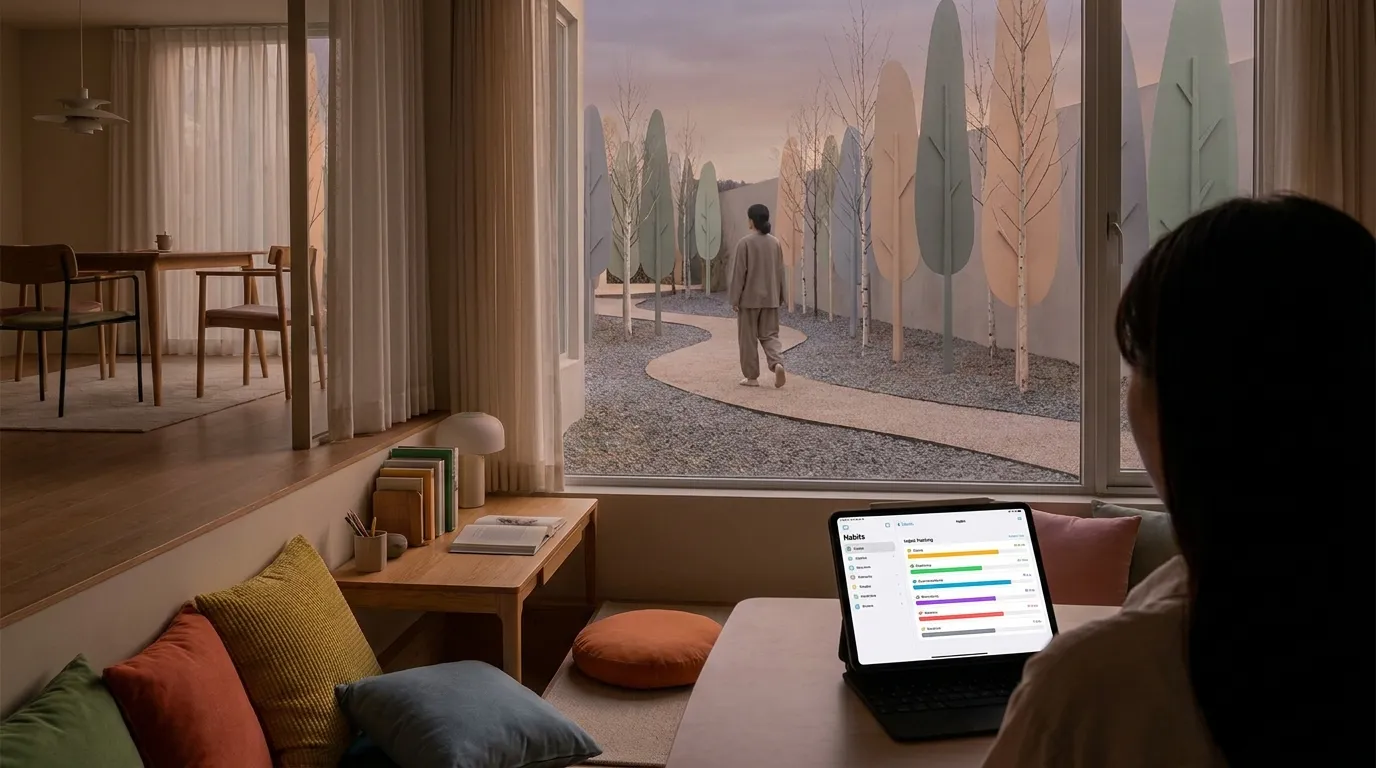
Burnout and Motivation FAQs
Is burnout the same as being lazy?
No. Burnout is a clinically recognised condition that builds up after a long stretch of stress and overload, and manifests once your reserves have worn down too far.
How do I know if I’m burnt out or just tired?
Tiredness tends to subside after a some sustained rest. Burnout hangs around. It can manifest as things like cynicism or brain fog, a flatness about work you used to manage without thinking, or failing to be energised by things like a holiday.
Can habit tracking really help when I’m overwhelmed?
A habit tracker takes some of the weight off by laying out what’s done and what’s still on the list. Habit trackers like ours at Everyday work best when you track just a few small habits instead of trying to rebuild your whole life at once.
How many habits should I start with during burnout recovery?
One to three is plenty. Any more than that can feel exciting for a day or two and then turn into one more thing you’re falling behind on. Begin with the habits that are most likely to protect your energy or help you recover.
Start Small, Then Let Momentum Catch Up
If you’re burnt out, a perfect plan isn’t the first thing that’s going to help. But one manageable step can be enough to get you moving! You just need to start seeing motivation as as something you rebuild through small wins you can actually repeat, one day at a time.
Lower the bar for now and pause before adding more pressure. Pick one habit that supports your energy instead of draining it, because even something really simple often helps. It also helps to track the action, not the ideal version of yourself. You will probably need to protect your boundaries with work, texts, or plans that tend to wear you down. Let consistency stay simple for a while.
And remember: showing up in a small way still counts. The goal isn’t to become hyper-productive overnight. It’s to feel like yourself again.