

Change can feel exciting. Living with it day after day is the real challenge. Habit reflection helps in a quieter way than a full reset. Instead of pushing harder, you pause and look at what’s already happening in your routine. Small patterns and small positives often appear on their own when you’re not trying to force change.
Habit reflection is about noticing habits and asking simple questions, paired with making gentle tweaks over time. It can also lower stress, because you stop fighting your own routines. Real life becomes the starting point, not an ideal schedule.
This guide explains habit reflection in plain language, with clear examples. It shows how habit loops work and where micro habits really help with daily productivity, without adding more expectations.

What Habit Reflection Is (And Why It Works)
Day to day, habit reflection is a quick pause, not a long journal session. It’s a short check‑in that stays light. You might ask: Did the habit happen? When did it feel easy, and when did it feel heavy? Then you move on. No essays. No overthinking. Definitely no digging into your childhood.
Habits run on loops. A cue leads to an action, and the reward tells your brain if it should repeat it. Reflection lets you see those loops. With time, reflection changes the tone. Less self‑blame, more pattern‑spotting. Maybe late nights throw things off. Maybe weekdays work better. Those repeats become clear, and change starts to feel lighter and more doable.
If you’re starting small, have a look at what we’ve previously written on micro habits. Additionally, you can explore Mini Habits: The Science Behind Starting Small for Big Changes for deeper insight into the psychology of small, consistent actions.
Start reflecting on your goals with the Everyday app
Try Micro Habits to Create Sustainable Change
Big habits often fall apart because they ask for too much, too fast; you’ve likely felt that strain. Micro habits skip that problem by staying tiny on purpose. Most take a minute or two, which makes them easier to repeat, even on rough days when motivation drops. And those days still count.
Behavior science supports this idea: smaller actions happen more often, and regular follow‑through beats short bursts of effort. Each small action acts like a quiet vote for the kind of person you’re learning to be.
Reflection helps micro habits stick. Instead of asking, “Did I fail?”, the question becomes, “Did I show up?” One sentence written counts. One short stretch counts. Noticing that progress lowers stress, and while the habit stays small, the payoff builds slowly, then clearly.
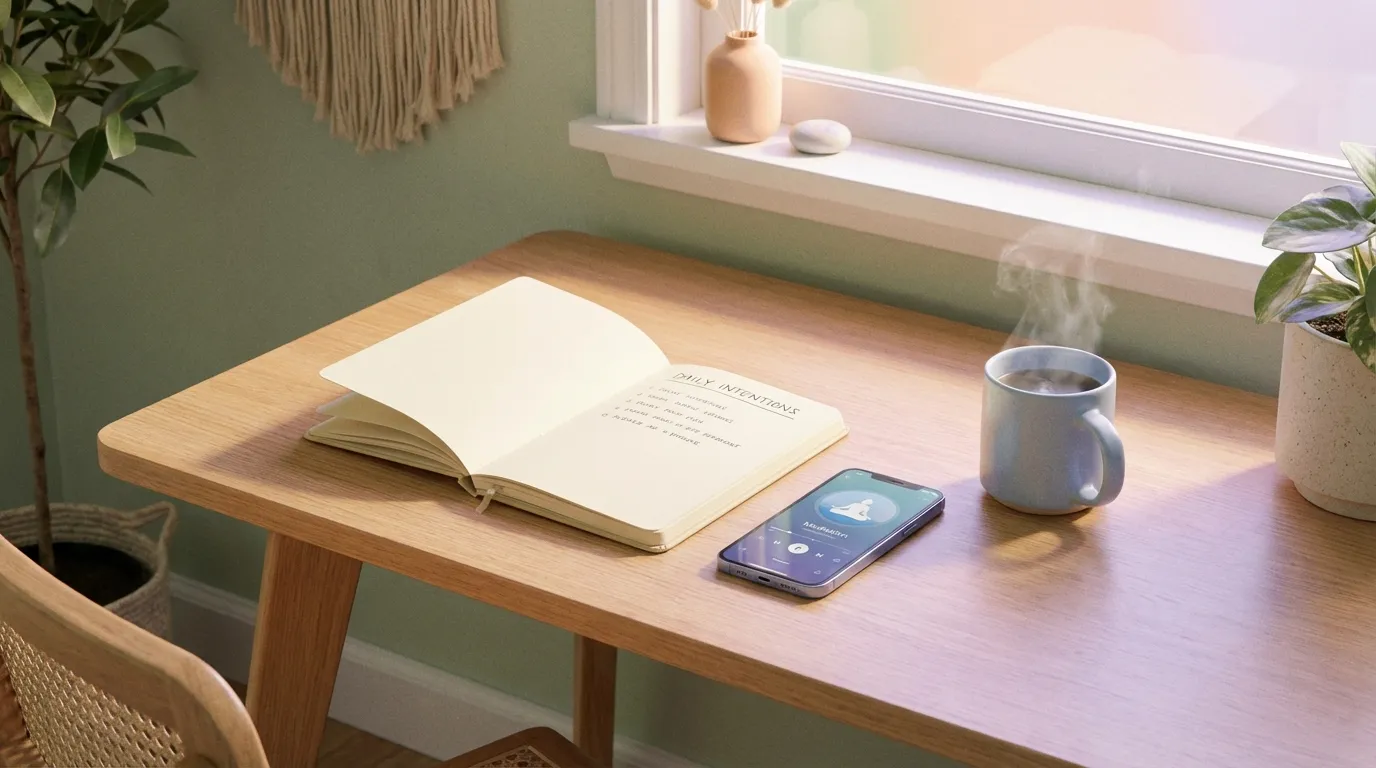
Turning Reflection Into Daily Productivity
Reflection cuts down work. When habits run on autopilot the brain makes fewer choices, which saves energy for real focus. People feel calmer once routines become automatic as result – the mental load lightens enough that you actually notice it.
Seeing real life, not ideal life, visualized makes the difference. The Everyday habit tracking app shows patterns over time simply and with a beautiful interface, so you can see what really works at a glance.
But routines do break. On those days, there’s a piece about daily habits that survive when you miss a day. Reflection helps you start again without the guilt. Our article How to Track Habits Without Stressing Yourself Out offers some great strategies for keeping your reflection process simple and effective.
Reflection That Reduces Stress and Keeps Pressure Low
Many people skip reflection because it feels like extra pressure, almost like more work piled on. When it’s done right, it actually eases the load instead of adding tasks, which is the point.
Instead of trying to fix everything, the focus stays on one key habit. Better sleep or a little planning can kick off a positive ripple effect, and reflection makes the result of those ripples easier to see. You can read Keystone Habits: The Productivity Multiplier You’re Missing to understand how one habit can unlock multiple improvements.

Common Questions, Answered
What is habit reflection?
After a habit ends, you do a quick, simple review. You notice what happened and why, without judgment or guilt. This easy check‑in helps habits last longer, with no pressure.
Does habit reflection improve stress reduction?
Yes, reflection helps cut mental overload and ease self-blame, so you often make calmer decisions over time overall.
Do micro habits really work?
Yes, they work: micro habits lower friction, help consistency, and stay easy to repeat, even under stress.
Put Habit Reflection Into Practice
Real progress shows up when you focus on what already works. Habit reflection helps you see that more clearly, so growth comes from building on what’s there instead of adding more.
Over time, stress drops and productivity gets better. Why go big when one small habit is enough? You’ll notice that tracking it and taking a moment to reflect keeps the habit loop going. Consistency begins to feel natural, and the change becomes clear.
If you’re ready, download our daily productivity habit app from Everyday now, tick off that first day of habit tracking, and repeat. You’ve got this. You’ve just gotta do it every day!