
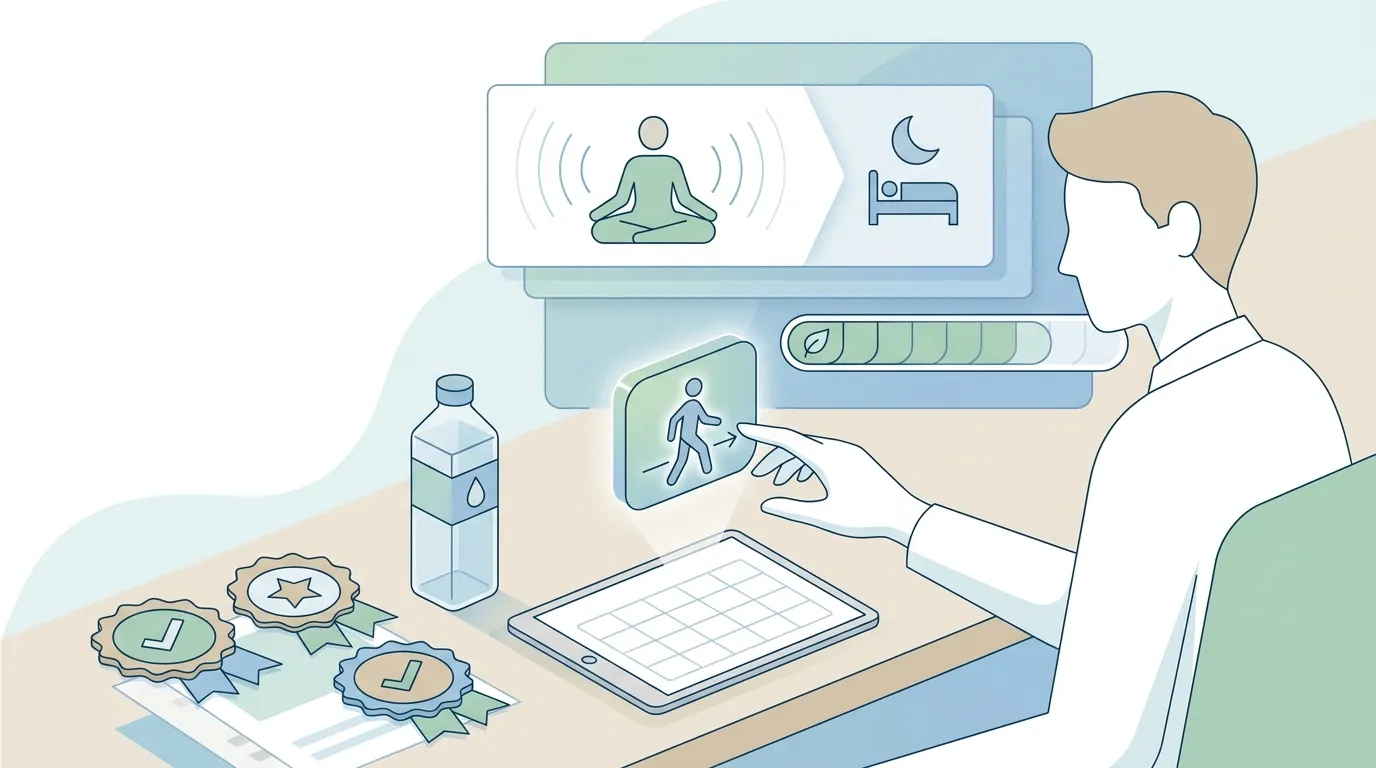
If you need a better you but only have 15 seconds, we hear you: here’s the TL;DR: Habits stick when they’re small enough to survive an ordinary busy Wednesday, so this guide skips the overhaul and offers eight that clear that bar: a glass of water on waking, a five-minute walk after lunch, writing your top task before opening messages, phone away 30 minutes before bed, one minute of slow breathing when stress rises, a repeatable high-protein breakfast, a five-minute daily reset of your space and tracking a single habit rather than all of them.
The person who plans a new habit is rarely the person who has to do it. Planning happens on a good day – Sunday morning, say, coffee in hand. Doing happens on a Wednesday when a meeting has overrun and dinner is toast because nobody went shopping.
Most habit guides assume the Sunday version of you will show up all week. This one doesn’t. The 8 habits below were chosen because they hold up midweek, when you’re busy and a bit flat and the last thing you need is a routine that requires managing.
None of them are dramatic, and a couple might look almost too easy. That’s deliberate. What the research on habit formation actually shows is quite boring: things become automatic through repetition, and you only repeat what doesn’t ask much of you. Start there and 2026 stands a decent chance of ending somewhere different from where it started.
Start with good habits that remove friction
The usual mistake is scale. Someone decides this is the year everything changes, takes on a full workout plan and a rebuilt evening routine in the same week, and by the 20th the project has been quietly shelved. Not because they were lazy – because the plan needed the Sunday version of them to show up seven days running.
These first four habits go the other way. Each takes a few minutes, and each one clears a small obstacle out of your day rather than adding a demand to it. If you want the reasoning behind starting this small, Mini Habits: The Science Behind Starting Small for Big Changes goes into it properly.
1. Drink water as soon as you wake up
A glass of water first thing is one of the simplest wins for the start of the day. If possible, keep a glass or bottle by the bed so the habit is easy to do.
2. Take a five minute walk after lunch
A short walk after lunch can instantly lift your mood, which feels good! It may also give you more energy, even though it sounds counterintuitive. Try it!
3. Write your top task before checking messages
This is a really good productivity habit. It can protect your focus before your phone or inbox starts taking over.
4. Put your phone away 30 minutes before bed
Lots of screen time late at night can really mess with sleep, which usually isn’t very surprising.

One very easy way to make these habits stick is habit stacking. That means connecting the new action to something already part of your day, like brushing your teeth, making coffee, or another part of your usual routine you do without thinking. If a little extra help would be useful, it’s explained here: Your Science-Backed Habits Guide for a Healthy Daily Routine
Then add habits that protect focus and recovery
Food and exercise get most of the attention, but a lot of what makes a week feel healthy happens elsewhere – in how you handle stress and how much clutter your attention has to wade through. The last four habits work on that side.
5. Do one minute of slow breathing when stress rises
Sixty seconds, and you can do it in a meeting without anyone noticing. Long exhales signal to your nervous system that the perceived emergency is over. Catching stress at minute one beats trying to unwind it at 9pm. If busy weeks tend to snowball for you, Stress Reduction Habits That Survive Burnout has more on this.
6. Eat one high-protein breakfast you can repeat
Pick a default – eggs, yoghurt, overnight oats, cottage cheese, whatever you’ll actually make – and stop deciding every morning. Decision fatigue is real at 7am. A standing order removes it.
7. Set a daily reset time for your space
Five minutes on whichever surface collects the day’s debris, usually the desk or the kitchen counter. Clearing it isn’t about tidiness for its own sake. A surface that’s ready to use tomorrow is one less bit of friction between you and habit number three.
8. Track one habit instead of trying to remember all of them
Choose a single habit from this list and record whether you did it. That’s it. Tracking shifts the question from “am I a different person yet?” to “did I show up today?” – and the second one you can actually answer. The behaviour-change evidence keeps pointing at repetition plus visible progress, and a tracker like Everyday shows you the streak without asking you to manage anything.
Make your system easier than your excuses
When a habit dies, motivation gets the blame. Look closer though, and you’ll see it’s mostly logistics. If doing the thing depends on remembering it at the right moment, on a day when you happen to have energy spare, it was never going to survive contact with a normal week. A decent system takes remembering out of it, so the habit runs whether you’re feeling it or not.
The pattern is short enough to memorise:
- Pick one habit
- Tie it to something you already do every day
- Make it take under two minutes to start
- Track the action; don’t sweat on the outcome
In practice it looks like this: after I pour my morning coffee, I drink a glass of water. After I open my laptop, I write down my top task. Neither one needed willpower this morning – the coffee and the laptop did the remembering for me.
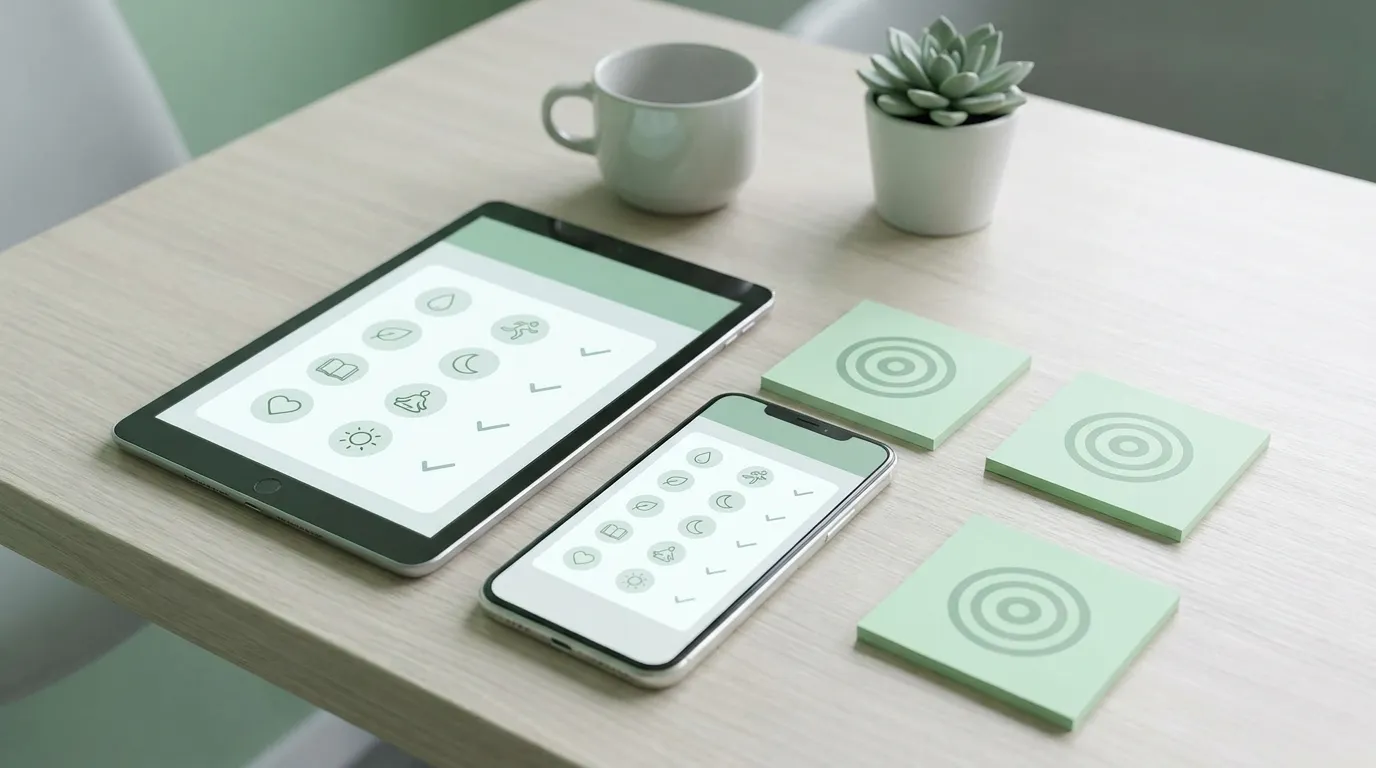
If you want a calm way to stay consistent on mobile, web, or in your browser, a minimalist habit tracking app can make your routine easier to manage. Everyday is an amazing choice for simple reminders and clear progress without clutter. Articles like Self Discipline vs Motivation: What’s Best for Healthy Habits? can also help you understand why systems often matter more than short bursts of motivation.
Your next step for 2026
Don’t take on all eight this week. Pick two – ideally the two that made you think “well, I could hardly NOT manage that” – and stack them onto something already in your day. Then repeat them until they stop feeling like a project and start feeling like part of the furniture.
That’s the whole method. Yep, really! Nobody builds a healthier year out of one immaculate month. It comes from a handful of small actions that keep happening on the Wednesdays, which is exactly where most plans go missing.
Start small, watch what actually helps and adjust from there. You’ve got this!