

The five-second TL;DR: The article presents breaking bad habits as less about extra discipline and more about building a system that works better from day to day.
I’ll bet my breakfast that if you’re trying to break bad habits, you can already name the thing you want to stop. The problem is the distance between knowing and stopping – you put the phone down at eleven, and somehow it’s back in your hand by half past. How does this happen?!
The good news for us (except that I now have to make more breakfast) is that it isn’t a character flaw. It’s what happens once a behaviour has been repeated often enough to start running without you. A 2025 study in Psychology & Health tracked 105 people through six check-ins a day for a week and found that around two-thirds of everyday behavior was set off automatically by a cue rather than by a decision taken at the time (Source).
So that’s the order things happen in here. Find the trigger first, because every step after it depends on getting that part right. Then make the habit harder to reach for, put a replacement in its place, and keep a record long enough to know whether it’s holding.
Before You Start
A good start usually comes down to a few simple things:
- One habit to work on. Pick just one, really, just one, like scrolling social media in bed.
- A note-taking method. Paper is fine, or a notes app, a habit tracker, or anything else that feels easy to keep up with.
- A way to track daily check-ins. Something basic like Everyday can help you log progress quickly across devices.
- 7 to 14 days of patience so you have enough time to notice what’s actually going on before expecting big results.
- A replacement action that you’re willing to try.
Step 1: Define the bad habit in one measurable sentence
Make the habit clear enough to notice while it’s happening. Skip broad goals like “be less distracted” or “eat healthier.” Use this format:
I want to stop doing [specific behavior] in [specific context].
Examples:
- I want to stop checking Instagram during the first hour of work.
- I want to stop snacking on chips after 9 p.m.
- I want to stop hitting snooze more than once.
Your brain has a hard time stopping something vague. It does better with a specific pattern you can actually notice.
A good rule is this: if you can’t count it, it’s usually a lot harder to change.
Tip: Add frequency when you can. For example, “I check email 12 times before lunch.” That gives you a baseline, which makes tracking much easier.
Common mistake: Choosing an identity label instead of a behavior. “I am lazy” is not a habit. “I sit on the couch and open TikTok after dinner for 45 minutes” is, and yes, that’s specific enough to catch.
Step 2: Track the trigger before you try to stop the behavior
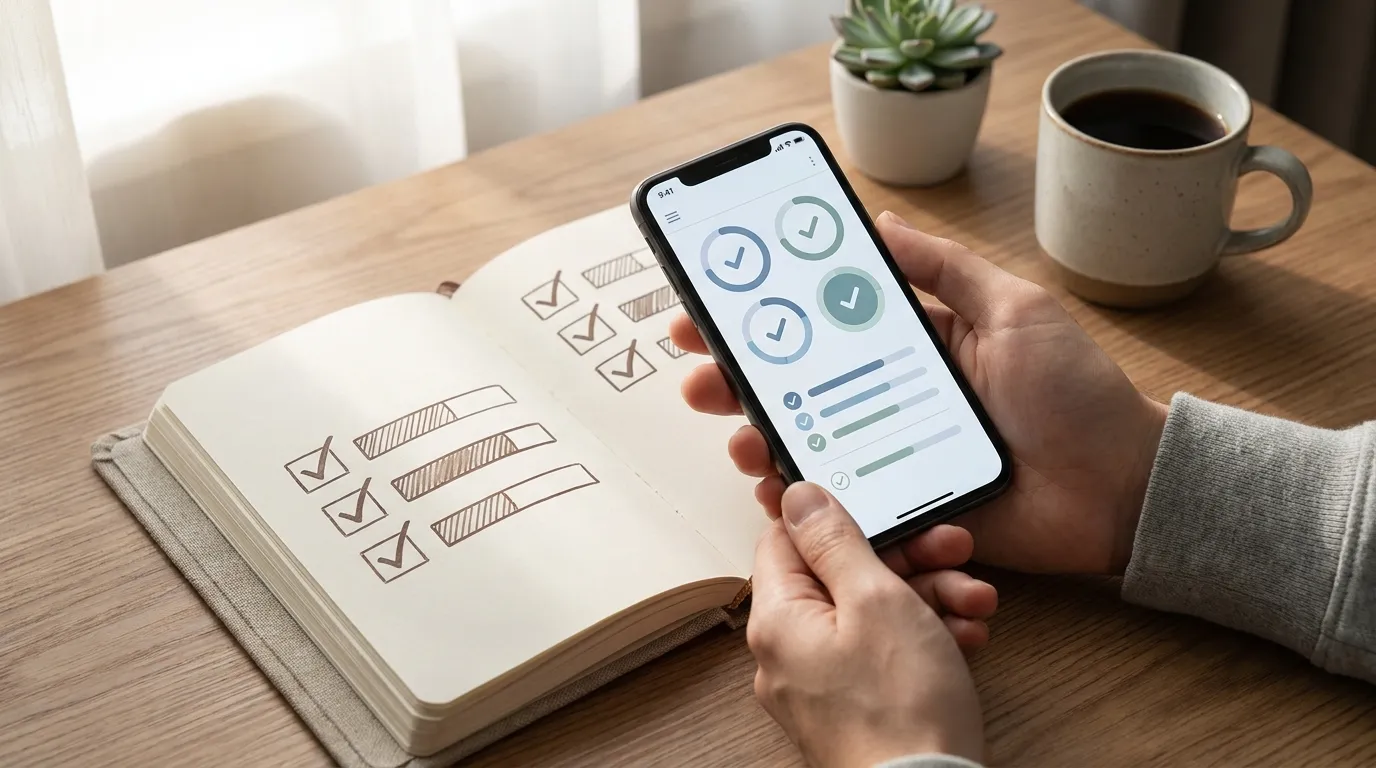
Over the next 3 to 7 days, don’t worry about doing this perfectly. Just notice patterns. Each time the habit shows up, jot down what was going on around it:
- Time: exact or close estimate
- Location: where you are
- Emotional state: bored, stressed, tired, restless
- People around you: alone, coworkers, family
- What happened right before it: finished a task, got a notification, sat on the couch
For example:
- 9:40 p.m.
- Couch
- Tired and mentally fried
- Alone
- Turned on TV and grabbed phone
Bad habits usually begin with a cue, even a very small one. A Trinity College Dublin research summary says habits take over when automatic responses beat conscious control (Trinity College Dublin). Once the cue is nice and clear, it gets much easier to change something specific instead of guessing.
Step 3: Remove friction for the good choice and add friction to the bad one
Behavior change starts to feel easier here. According to Wendy Wood, habits change more reliably when the old behavior is harder to do. Stanford’s coverage of her work points to changing the environment instead of relying on motivation; it’s just a better setup (Stanford Report).
Across the board, the best way to change a habit is to make it more difficult.
Specific friction changes can look like this:
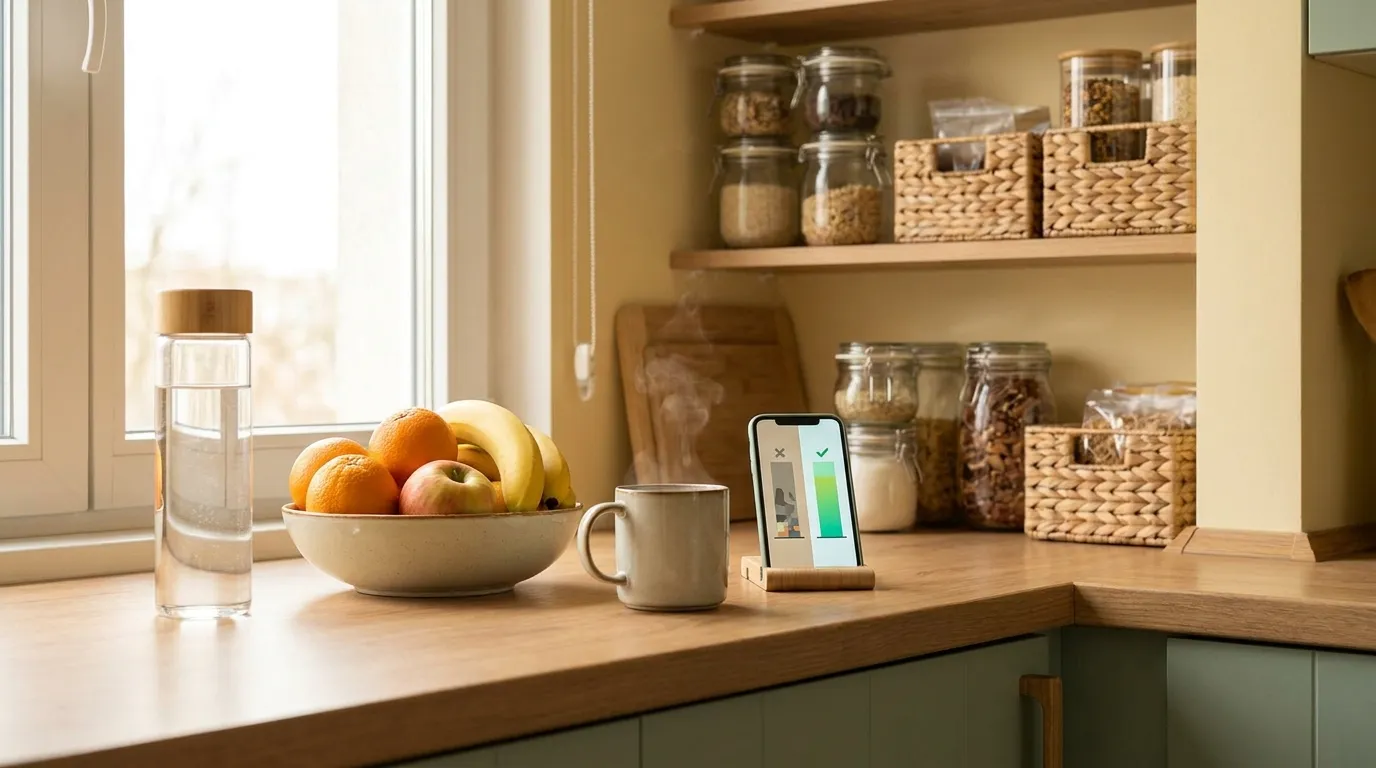
- Late-night snacking: get the food off the counter. A high shelf or a sealed container is usually enough, since the point is to add a step, not to make it impossible.
- Scrolling in bed: charge the phone somewhere you’d have to get up to reach it. The kitchen works. So does the bathroom.
- Sign out of the sites that eat your evening, and delete the saved passwords so signing back in takes effort.
- Impulse shopping stops being frictionless once your card details aren’t stored in the app.
At the same time, make the better option easy:
- Put a water bottle on the coffee table.
- Leave a book on the pillow.
- Before opening browser tabs, pull up the task list first.
These are small shifts, but here they can change what happens next more than you might expect.
Tip: If the bad habit takes less than two seconds to start, there still isn’t enough friction.
Step 4: Replace the bad habit; don’t leave a blank space
Trying to “stop” a behavior in its tracks usually doesn’t work very well, because the cue that triggers it is still there. Swapping the habit works better: the cue stays the same, but your response changes.
Use this template:
When [cue] happens, I will [new action] instead of [old action].
Examples:
- When I sit on the couch after dinner, I’ll make tea before touching my phone.
- When I want to check social media during work, I’ll stand up and take 10 slow breaths.
- When I crave sugar at 3 p.m., I’ll eat the apple I packed that morning.
Whatever goes in the [new action] slot has to be something you can do on the spot, without preparation or a decision.
The replacement should be realistic, short, available in the same place, and possible in the same moment as the old behavior. Nothing fancy. Just something you can really follow through on when the trigger hits.
A review of digital behavior-change methods found that self-monitoring, prompts, reminders, and cues are common effective parts of habit interventions (PMC). Reminders and replacement cues help for that reason, and they usually work better in the moment than willpower alone.
Common mistake: replacing a bad habit with something too ambitious. If the replacement needs a big mood shift, extra equipment, or 30 free minutes, it probably won’t stick. Keep it easy enough to do on the spot, like something you can begin right away.
Step 5: Shrink the target and focus on consistency over intensity
The old 21-day idea doesn’t really hold up. A 2024 systematic review found that habit formation takes 2 to 5 months, with a median of about 59 to 66 days, and the overall range is much wider at 4 to 335 days (PMC systematic review). CNN also summed this up well through researcher Dr. Ben Singh, which makes for a good reality check.
habit formation starts within around two months, but there is significant variability
So instead of judging progress by whether cravings disappear in a week, look at whether the loop got interrupted today. That is the part that really matters here.
A smaller target can look like this:
- Reduce from 7 times per day to 5 for one week
- Keep the bad habit out of one location, like your bed or desk
- Replace the habit successfully 3 days out of 7, then aim for 4, then 5
- Track your recovery move after a slip so you can spot the pattern early
Tracking helps because it keeps progress visible without turning the whole thing into a complicated project. Simple. Everyday and other minimalist trackers are especially useful for that. They make it easier to notice whether you’re showing up, where you’re slipping, and what changed from one day to the next. If you’re curious why consistency tends to matter more than waiting for motivation, that point is covered here: self discipline vs motivation.
If you want more ideas for sustainable routines while you break bad habits, Your Science-Backed Habits Guide for a Healthy Daily Routine expands on the role of small environmental changes and repeatable systems.
Tip: Never miss the recovery move twice. One slip gives you useful information. Two in a row starts rebuilding the old pattern, and that is usually how old routines find their way back.
Step 6: Review your pattern weekly and adjust the setup
Ten minutes at the end of the week, four questions:
- When did the habit happen most often?
- What cue kept coming up?
- What friction or replacement helped most?
- What should you change next week?
Then write one line for the week ahead. One, not a list!
There’s a practical reason to keep checking in. A 2024 study found that drops in habit strength can level off anywhere from 1 to 65 days, and in many cases in less than two weeks (NIH/PMC). That is a short window, so if your attention drops off completely, old routines can come back pretty fast.
If more support would help with changing the self-story behind a habit, that was covered here: The Rise of Identity-Based Habits. If stress tends to be the cue behind the behavior, How to Stop Overthinking: Quiet Your Mind with Better Habits can help you spot that loop, which is helpful. You can also look at Stress Reduction Habits That Survive Burnout for practical routines that lower the chance of falling back into automatic patterns.
Common mistake: Reviewing things emotionally instead of practically. Skip ‘I was terrible this week.’ Try ‘I scroll most after meetings, so I need a better transition routine.’
Step 7: Use a simple tracking system that shows streaks and misses honestly
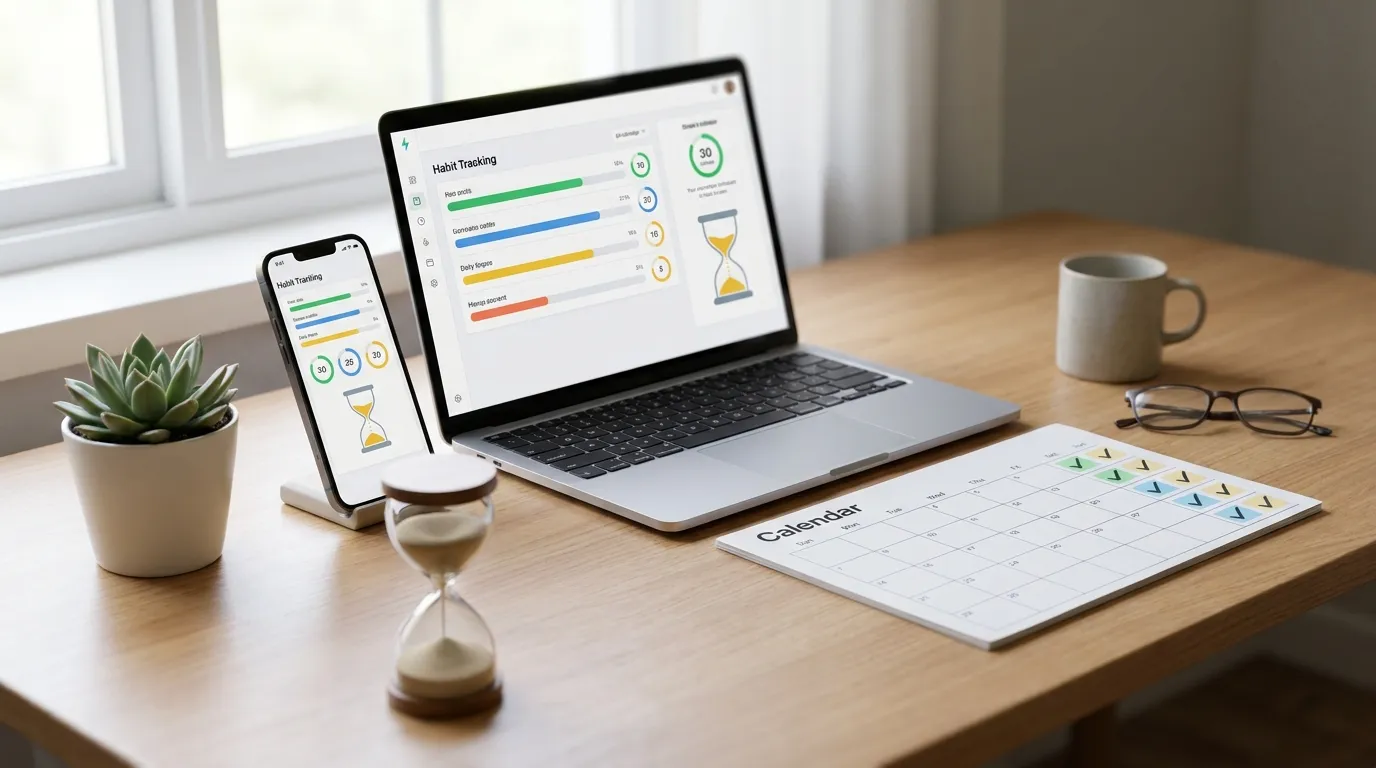
For breaking bad habits over the long run, it helps to make progress easy to see. That does not mean getting obsessed with data. Clear feedback is usually enough for your brain to respond well, and it does not need to be fancy. A simple daily yes-or-no log, a reminder, or a streak view can show if the plan is actually working.
A simple habit tracker such as a cross-platform habit tracking app works especially well if you want to track both the replacement habit and your no-go zone, which is often the most useful part. You might log ‘no phone in bed’ each day, or track ‘tea before scrolling’ instead. It helps you spot the pattern across your phone and desktop without adding extra friction.
If you are not sure which habits are worth building around the one you are trying to break, that was covered in The Power of Keystone Habits: Transform Your Daily Routines. You may also find How to Track Habits Without Stressing Yourself Out useful if you want a lighter tracking setup that still keeps your progress visible.
FAQs
What’s the fastest way to break bad habits?
Change the setup rather than your resolve. Put distance between yourself and the cue – phone charging in the kitchen, snacks off the counter – so the behavior takes a deliberate step you’d catch yourself making.
Is it better to quit a bad habit cold turkey, or reduce it gradually?
It really rests on the nature of the habit. Removing access outright works when access is the whole problem. Stepping down works better when the habit is doing a job for you, like the cigarette that’s really a break from your desk.
Can a habit tracker really help me break bad habits?
It helps if you use it to see patterns rather than grade yourself. A week of entries will usually show you something you couldn’t feel from inside the week – that the slips cluster on Thursdays, or land right after a particular meeting. Everyday lets you log a replacement behavior or a “didn’t do it” target, so you get the record without it turning into a scoreboard.
What are good habits to build while trying to break bad habits?
Ones that make tomorrow easier and that raise awareness today. Laying out what you need the night before does the first. A one-minute review of what set you off does the second. Neither looks impressive on its own, which is more or less the point – they’re small enough to survive a bad week.
Put This Into Practice This Week
For this week, focus on one habit. Keep a trigger log, add one friction change, and choose one replacement action. Then stick with it for the next seven days. If you slip, don’t treat it like a verdict on your character. It’s just useful data. Resolution data shows how hard follow-through really is: only 38% of Britons who made 2025 resolutions said they kept all of them, and 24% kept none (YouGov). So if progress takes longer than you expected, that’s normal. You’ve got this!