
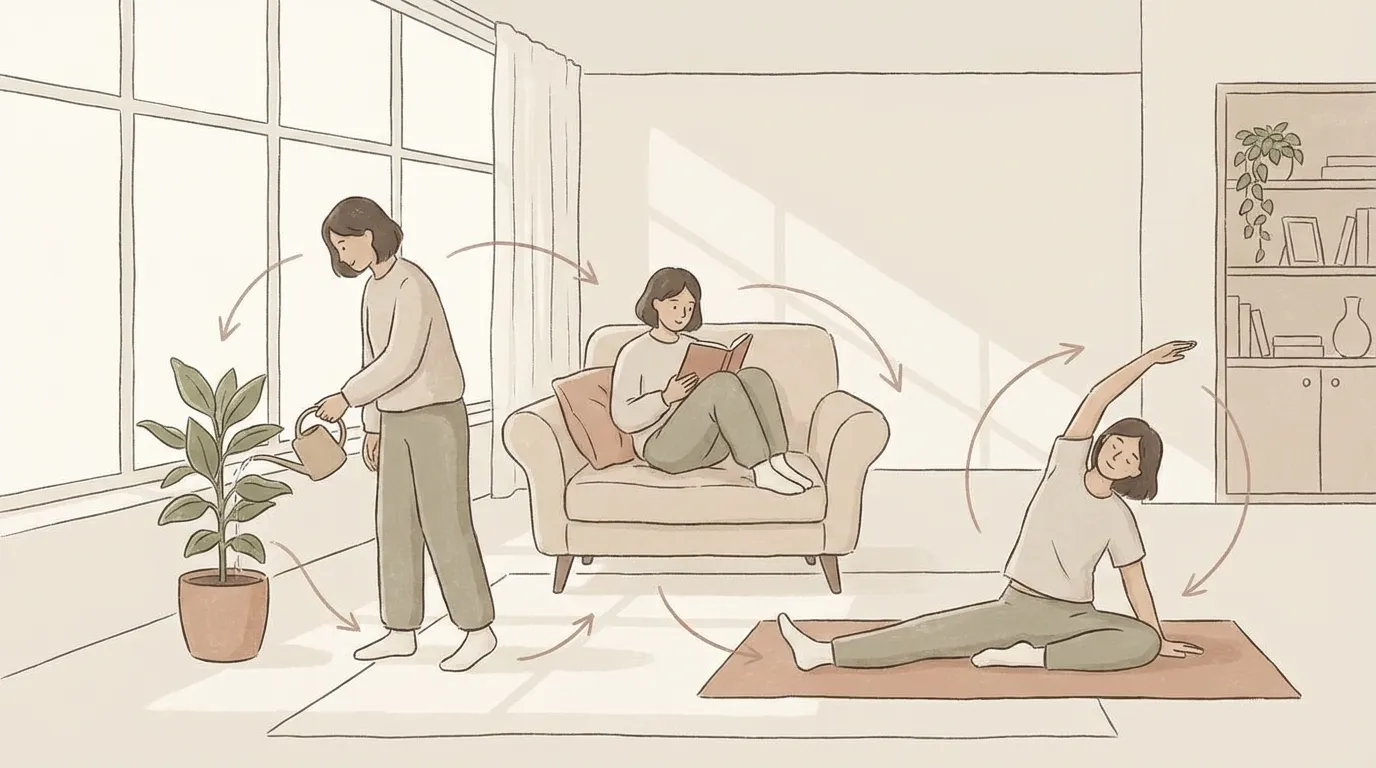
Most people want to be more productive. They want better focus and steadier energy so progress feels consistent – a pretty reasonable goal. But daily life is full of small choices: what to work on, when to exercise, what to eat. Those decisions stack up fast! By midday, a lot of people already feel completely worn out. This is where the importance of habits comes in!
Habits turn repeated actions into automatic behavior. Over time, you do them with less effort and less thought, sometimes without even realizing it. That matters because the brain has a very finite amount of energy to spare each day. When habits run on autopilot, mental space opens up for work that actually needs your attention.
This guide looks at habits in simple terms, so you don’t have to wade through any heavy theory. It explains how habits can save mental energy, automate behavior without pressure, and why dialing in habits and productivity work better than just motivation. It also walks you through practical, science-backed ways on how to build habits that last, using real tools you can actually try. Let’s hop to it!
Why habits save mental energy
The brain likes to work efficiently. It’s often looking for patterns it can repeat with less effort, which helps in everyday life. Research suggests that nearly 50% of daily actions are habits, not active decisions, based on neuroscience findings shared by Dr. Paul McCarthy. That’s a big part of your day runs running on autopilot!
Once a habit is set, the brain usually stops putting energy into weighing up options. There’s no long pause or inner back-and-forth about what to do next. The action just happens, which feels like a relief. The mental energy saved can go toward deeper thinking or problems that actually need focus. MIT research supports this, showing that familiar patterns lower effort while still getting results. Fewer internal negotiations.
The brain seems to be wired to seek some near optimality of cost and benefit.
This is why building energy saving habits is so important. Building simple routines helps cut down decision fatigue dramatically. The less decision fatigue you have, the more mental energy that’s left in reserve for things that are important to you.
Habits vs motivation: Why consistency is important
Motivation is a great feeling, but it’s often quite transient. Mood, sleep, stress, and time usually have a lot more control over our state of mind than we’d like (annoying, but true). Habits work differently though. Once a habit is set, it runs in the background without asking how you feel that day. It’s mostly on autopilot, and on normal days, that steady rhythm goes a long way towards keeping you feeling stable.
What makes this useful is habit tracking. Studies show tracked habits are 2.5 times more likely to stick than those left to memory alone. Tracking gives feedback. You can see what actually happened, including small details you’d probably forget (I know I do). Over time, patterns tend to show up, even when nothing exciting is going on. Quiet proof, but helpful.
Timing helps too. Research from 2025 shows habits done at the same time each day form 43% faster than random ones!
The signal is getting stronger and appears to be tied to the animal doing these patterns over and over, entrenching the pattern neurally as the animals picked up their habit.
Consistency isn’t really about willpower. It comes from making the next action obvious and easy, then repeating it – like opening that notebook at the same time tomorrow.

How to build habits by starting smaller than you think
Big goals feel exciting, but they’re hard to repeat every day once life hits its usual busy flow. Try not to aim for the stars right away!
There are a couple main traits that we usually see in sustainable, well-defined habits:
- It takes less than five minutes and doesn’t feel like a chore, more like a quick win you don’t dread
- It fits naturally into the day you already have and is easy to notice or track, even if it’s just a simple checkmark
Instead of saying “get fit,” you might try “stretch for 3 minutes.” Rather than “learn a new skill,” try “read one page.” At the start, lowering resistance matters more than motivation. Over time, these small actions often grow on their own.
Habit stacking helps too. It works by linking a new habit to something you already do more or less automatically. Research shows that habit stacking boosts success by 64% compared to standalone habits, which is a hard stat to ignore!
We also wrote more about this idea in Mini Habits: The Science Behind Starting Small for Big Changes if you want to learn more.
Additionally, you can explore Keystone Habits: The Productivity Multiplier You’re Missing for deeper insights on how to build habits that create ripple effects across your daily routines.
Automating daily habits with a habit tracker from Everyday
The term ‘automation’ doesn’t always refer to tech doing everything for you! In this context, it’s about cutting friction – those small annoyances that slow routines down. A habit tracker app helps by keeping habits visible on your phone, easy to understand, and quick to check off. That lighter effort often leads to fewer excuses, which really helps on busy days.
According to Select Software Reviews, a source generally seen as reliable for workplace tools and time‑use data, people using automation tools save about 3 to 4 hours per week. A habit tracker can have a similar effect on personal routines. There’s less reliance on memory and less second‑guessing about what you planned to do, which cuts down on the mental gymnastics.
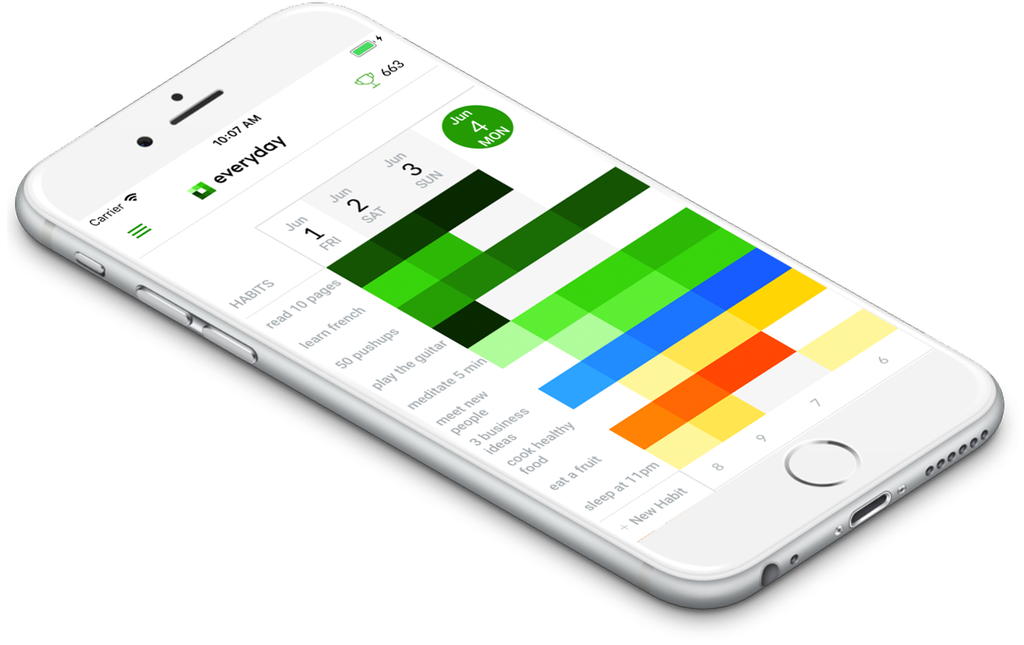
The Everyday habit tracking app follows one simple idea: do it every day! Our simple, beautiful app lets you build habit streaks that makes progress easy to monitor, and our in-built reminders help prevent skipping a habit twice.
And if procrastination is an issue, learning how to stop procrastinating can help. Start with small daily habits that remove the element of choice in the moment and make simply starting the easiest option. You can also check out our Procrastination Tools: How to Stop Procrastinating Right Now article for more detailed guidance on how to build habits that overcome delays and hesitation.
Common habit mistakes (and how to build habits that last)
The hard part usually isn’t motivation, it’s how things are set up, and even good intentions tend to wobble there. That’s normal (really, for most people). Below you’ll find a few patterns that often show up; some will likely feel familiar.
Tracking one too many habits:
Starting with something very small, then adding in one or two keystone habits works best.
Not being flexible enough:
Plans fall apart because life shows up at awkward times. Systems that can bend a little usually last longer. This idea is explored more in Daily Habits That Survive When You Miss A Day.
Missing days happens:
Skipping a day is normal, so panicking doesn’t help much. One missed day doesn’t erase progress!
Relying on motivation levels:
Motivation isn’t a fixed sensation, so habits need to be able to work without it. When a habit takes up too much of your mental energy, it usually means it’s just too big and complex. Remember: think small to achieve big!
Save your mental energy for the things that matter
Choosing the best habits that work just for you
Not all habits are created equally! Some are designed to stack with others, some are standalone, while others create ripple effects that influence other areas of your life – these are called keystone habits. Even something as simple as a short walk can boost mood and help you focus during the day – small on the surface, but very effective in the long run.
Choice matters just as much. Habits that feel personal usually last longer than ones that feel forced, which many people have seen firsthand. Research backs this up. Data shows that self-chosen habits have 37% higher completion rates than imposed ones, which helps explain why tracking a daily walk can work so well. If you want more ideas, some are shared in Habit Tracker Ideas: What to Track (and How to Stick With It).
You can also have a look at Habit Formation for Beginners: A 7-Day Challenge That Works! for a practical introduction on how to build habits step by step.
Common FAQs on the importance of habits
Why are habits important for mental energy and productivity?
Each decision (however small!) means your mental energy levels take a hit. But when you add sustainable habits into your routine, they help to reduce decision fatigue by making actions feel automated. In turn, this lowers your cognitive load, which means you get to save your brain energy for more high-priority tasks - i.e. the things that matter!
What are energy saving habits?
Good question! These are habits that cut everyday choices by using set routines or grouping tasks, so you have less to manage day-to-day.
Is a habit tracker actually helpful?
Yes! Tracked habits stick better because seeing them adds accountability. Once you see that strong, beautiful chain around day 3 or 4, you’ll never want to break it! Try our Everyday habit tracking app now to get started!
What if I miss a day?
Missing a day happens. Don’t sweat! No big deal. Just show up the next day. The Everyday habit tracking app even has a neat feature that lets you skip a day without breaking your streak. Just don’t skip twice!
Put habits to work in your daily life
The nice thing about habits is that they’re usually about freedom, not strict control (which already feels better). When the basics run on autopilot, your mind often has more space to think and rest instead of being pulled in ten directions. You’re not managing every tiny move. It’s freeing!
Remember: try not to change everything in your life at once, excited as you may be to get started! Instead, start small: choose one habit to begin with. A helpful approach is to make it easy, almost boring. Track it with our habit tracking app. And if procrastination keeps getting in the way, don’t forget to look at simple strategies to stop procrastinating to help you build daily habits for success.
If you’re ready to start, download our Everyday habit tracking app and start saving that precious mental energy.