
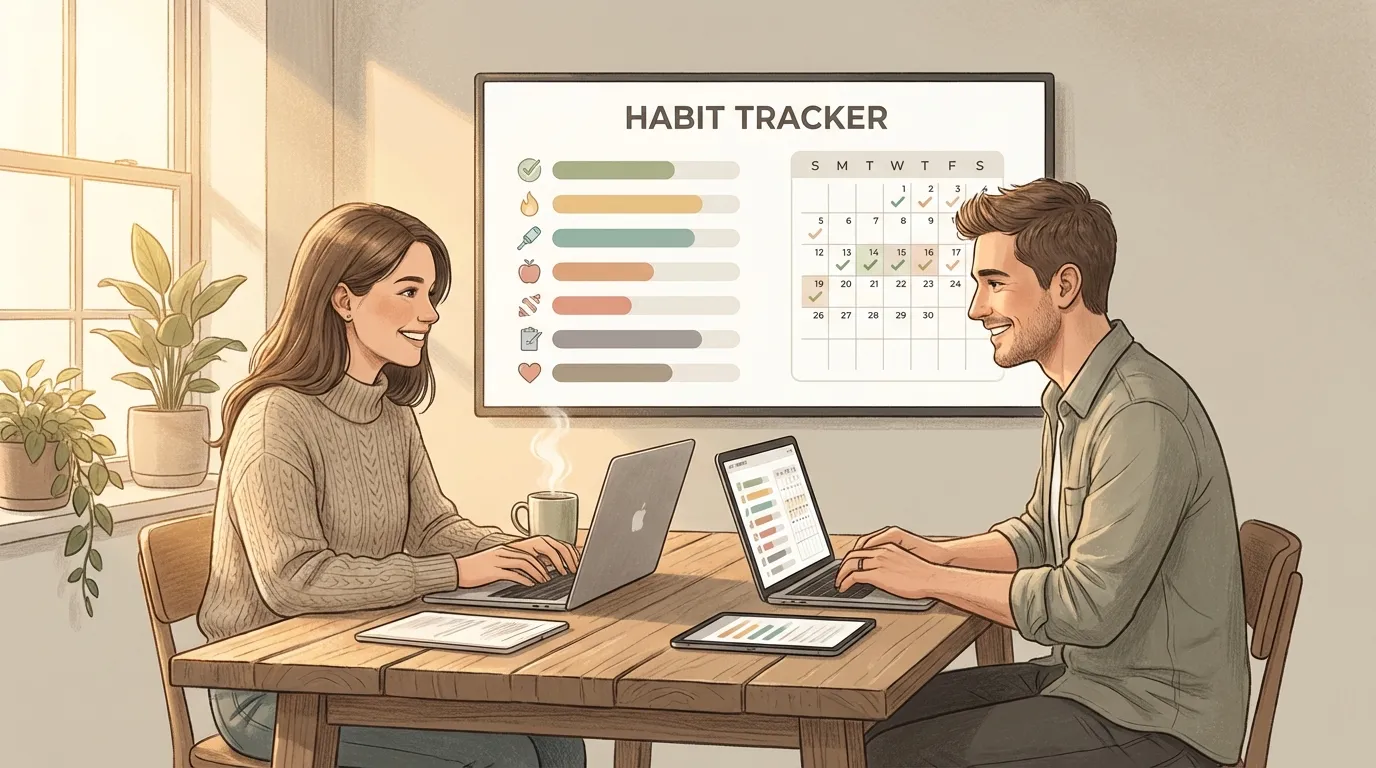
Accountability and social support become really helpful when motivation dips and schedules get messy. That daily habit you were excited about can fade fast. Instead of leaning on willpower alone, a shared system with accountability partners makes consistency easier to see and stick with over time. It’s a small shift that can make a real difference when the goal is staying with something long term.
Accountability partners add structure when motivation falls short. It’s extra support, plain and simple. This article explores why accountability works and how social support, helped along by a habit tracker app like Everyday, can make habit building feel simpler and more sustainable, even on low‑energy days.
Why Accountability Partners Change the Odds
The numbers usually catch your eye first: studies often show that goals are much more likely to stick when another person is involved. According to the American Society for Training & Development, people have a 65% likelihood of achieving a goal when they commit to an accountability partner. With regular check-ins, weekly messages or quick calls, that number can rise to up to 95%. That’s hard to ignore, especially since consistency is where most people struggle.
Accountability works largely because humans are social. When someone else knows your goals, skipping a habit doesn’t feel like an invisible guilt trip to bear. That awareness makes it harder to shrug the motivation slump off.
This creates gentle, steady pressure instead of force. It’s especially helpful for people looking for ways to stop procrastinating, since accountability adds real-world consequences without harsh self-talk. Visual progress tools help too: streaks or habit tracking apps make commitments concrete, so progress is something you can actually see.

Social Support and Accountability Partners as Behavioral Infrastructure
Social support goes beyond simple encouragement. It often works like behavioral infrastructure, quietly holding habits together when motivation fades, spikes, and fades again, which happens to most people. A well-known study found that people who shared weekly progress updates reached 76% completion rates, compared to 43% for those working solo. That gap is hard to ignore. It’s clear evidence that structure often matters more than raw willpower when someone is trying to stick with a goal.
Daily check-ins, emoji confirmations, or simple streak sharing all tend to lower friction. This is also where digital tools help most. A habit tracker app like Everyday paired with an accountability partner keeps expectations clear and feedback quick.
Making Accountability Partners Practical and Sustainable
The best accountability setups are usually planned early, not thrown together later, and that bit of planning often avoids friction. I think picking a partner with a similar level of commitment matters more than having perfectly matched goals, which tends to work just fine. Things usually go smoother when expectations are clear, weekly Sunday check-ins or quick daily pings both do the job. What happens when a habit gets missed? Deciding that ahead of time usually prevents awkward moments. No weirdness!
Modern habit tracking apps make accountability much easier to handle. Progress stays visible without constant meetings, even during busy weeks. Asynchronous check-ins or sharing a streak often fit real schedules better, which is why this works well with structured systems like goal tracking and the more beginner-friendly ideas in habit formation basics. Simple. Sustainable.
Frequently Asked Questions
What makes a good accountability partner?
A good accountability partner shows up regularly and sticks to the agreed check‑in plan and schedule. Over time, they become someone you trust and can count on, not just once. Shared goals aren’t needed; different goals work too.
How often should accountability check-ins happen?
Short, frequent updates work best (usually most days). Longer talks can drift and miss habits. Quick check-ins keep progress easy to see (don’t ramble), keeping things light and regular.
Can habit tracker apps replace accountability partners?
Apps are useful tools, and they work best with human accountability. Social support adds emotional and psychological backup that apps alone can’t fully give. Try our Everyday habit tracker app now, find your accountability partner, and get tracking!
Is accountability helpful for procrastination?
Yes, accountability partners are great at helping people looking for strategies to stop procrastinating. When motivation dips, they add outside structure, which usually makes them useful for you.
What if my accountability partner loses interest?
Sometimes it helps to revisit expectations, or switch partners, because being flexible supports habit building and keeps things working. That kind of flexibility can help you.
Turning Accountability Partners Into Long-Term Momentum
What often makes accountability partners work is the low pressure. They’re built around partnership, which helps more than people expect, especially on busy days or after a missed streak. With social support and useful tools, habits are more likely to hold up even when the motivation drops. They fit real schedules and don’t depend on hype or pure willpower, which helps intention turn into action for productivity or wellness routines. It keeps people involved instead of discouraged!
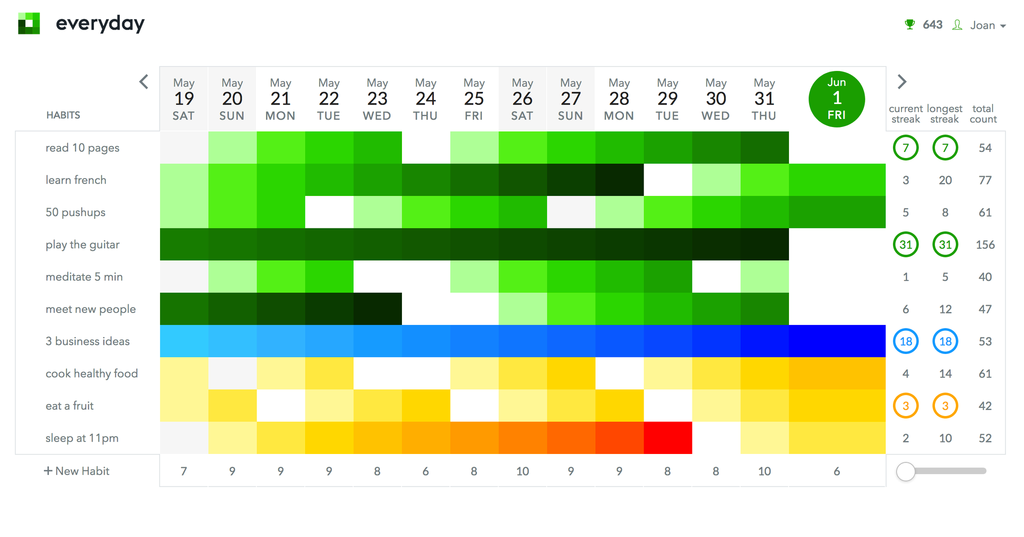
Pairing an accountability partner with a reliable habit tracker can change how progress feels day to day. Platforms like Everyday make it easy to visually track consistency over time instead of guessing. It also stays in sync across devices, which helps when routines shift, like checking off a habit late and seeing it carry through.