

Shift workers always deserve a TL;DR:
Clock-based habit systems fail for shift work. Four things fix it:
- Anchor habits to events – waking, first break, getting home, pre-sleep – not to times
- Set weekly or shift-cycle targets instead of daily streaks
- Track four habits or fewer: sleep, a wind-down routine, a caffeine cutoff, one small movement habit
- Log in one tap, or you won’t log at all on a night shift
If you do shift work, a lot of habit advice can sound like it was written for someone living a on a completely different planet. Wake up at 6 a.m., meditate before breakfast, exercise after work, start winding down at 10 p.m… It all looks lovely and neat, but it’s basically like an unknown utopia – completely irrelevant to you!
That is why habit tracking for shift work needs a different setup. Shift work doesn’t break habit tracking so much as it breaks the clock part of it. But if you anchor each habit to an event that occurs on every shift, and count consistency across the whole roster cycle, a week of nights then costs you two or three tracking marks out of twenty-eight, not a streak.
In this guide, we’ll take a look at why traditional habit systems often break down under shift work, which habits are actually worth tracking, and how anchor-based routines can work better than ones tied to the clock. It’s simple, practical stuff that actually fits your needs as a shift worker – finally! We’ll also cover how tools like ours at Everyday can support consistency without adding pressure, so keeping up with habits can feel like a steady, doable add-on even when your schedule refuses to cooperate.
Why rotating schedules change the habit-tracking game
Shift workers aren’t inconsistent because they lack discipline; if anything, shift workers are some of the most disciplined people out there. What they are dealing with, though, is a real biological challenge. A recent meta-analysis found that shift work is linked to higher odds of sleep disturbances, with an odds ratio of 1.42 (PubMed). In a large employed cohort, sleep disturbance affected 19.3% of shift workers compared with 14.0% of non-shift workers, rising to 22.6% among people who always worked nights (PMC).
Demands from one’s social life and family can further limit how much sleep a shift worker can have.
Habits are not just competing with work, but also with recovery, family time, errands, and plain exhaustion. So when a system expects daily perfection, fixed times, or long morning routines, it’s probably not a motivation problem. It’s usually a design problem. Shift workers often need habits built around recovery windows instead of idealized days, because those polished routines usually don’t fit real life.

Stop tracking by the clock and start tracking by anchors
One of the most common mistakes shift workers make is tying habits to exact times. When shifts keep changing, time-based routines usually start to fall apart pretty fast. Anchor-based routines tend to hold up much better.
An anchor is an event that happens on every shift, whatever the clock says. You attach the habit to the event instead of the hour:
- After getting home from any shift, drink a glass of water and stay off my phone for 10 minutes
- Before sleep, run the same 5-minute wind-down
- On my first break, eat a proper meal rather than grazing
- Within 20 minutes of waking, get outside or sit by a window
A consensus guideline on healthy practices for shift workers focuses on prioritizing sleep, planning transitions to days off, creating a bedtime routine, and aiming for 7 to 9 hours across a 24-hour period where possible (PMC).
If this needs to feel easier, try pairing tracking with routines that already exist instead of setting huge goals. In most cases, that means linking habits to things like getting home, taking a first break, or waking up. It’s a small change, but for shift work it often makes a real difference. That’s also why ideas from Habit Stacking for Beginners: How to Make It Work For You tend to work especially well here. People who struggle with changing energy levels may also find How to Build Good Habits When Your Energy Changes Daily useful for creating routines that stay flexible.
The best habits to track when your schedule keeps changing
If you work irregular hours, not every habit needs the same attention. It usually makes the most sense to focus first on the ones that protect your energy, sleep, and mental clarity, that’s what matters most.
Those habits often help keep most other things from falling apart, too. So a good shift work habit tracker usually sticks to just 4 to 6 core habits you can realistically keep up with:
1. Sleep opportunity
What matters here is whether the sleep window was actually realistic, not whether sleep turned out perfect, that’s the point. Don’t get pulled into chasing perfection. A 2025 study of rotating 12-hour shifts found these workers averaged 366 minutes of sleep, compared with 438 minutes for day workers. In that same study, night-shift workers got about 5 hours 36 minutes after a night shift, which is likely less than most people would want, and follow-up measures showed even less sleep (Frontiers in Public Health).
2. Pre-sleep routine
This can be really simple: a shower, blackout curtains in the bedroom, a snack if needed, skipping bright screens, which probably helps, and maybe a breathing exercise. It’s pretty straightforward, and tracking the routine is often easier than trying to track sleep quality itself.
3. Caffeine cutoff
For a lot of shift workers, this is often a hidden habit and pretty sneaky, honestly. A simple yes-or-no check can help them notice whether late caffeine is messing with the next sleep block.
4. Light exposure
Light after waking and less light before sleep can help your circadian rhythm adjust, and honestly, it’s pretty simple. It sounds basic, but it’s still useful. Recent reviews of shift-work interventions often point to light timing as a useful tool for shift schedules, alongside sleep hygiene and planned naps (Frontiers in Sleep).
5. Minimum viable movement
It’s not a full workout every day, and that’s totally okay. Just a simple floor habit, I think, maybe 5 minutes of stretching, or sometimes a short walk after you wake up.
6. Meal and hydration stability
A real meal during your shift and steady hydration can help keep your energy feeling less up and down, instead of relying on vending-machine timing. That usually feels steadier.
Why weekly scorecards work better than perfect streaks
A streak can definitely feel motivating, but with shift work, it can also feel pretty unfair. One rough rotation, one stretch of emergency overtime, or one bad sleep cycle can wipe out that sense of momentum fast, and that honestly happens a lot. That’s why tracking by frequency usually works better than relying on all-or-nothing chains.
Instead of setting a rule like, “I must do this daily at the same time,” it often makes more sense to aim for goals like:
- wind-down routine 5 times per week
- light exposure after waking 4 times per week
- no caffeine within 6 hours of sleep 6 times per week
- meal prep before shifts 2 times per week
This kind of setup makes it easier to stay consistent without punishing real life. It’s much more realistic. Some habit tools now use that same approach, with more flexible scoring instead of resetting your progress to zero after one missed day. That’s especially helpful for people doing shift-based schedules, who often need a system that can bend a little when life gets messy, which it usually does.
The results of the present study is that insomnia is strongly linked to functional and cognitive impairments in shift workers, while sleepiness appears to make a smaller contribution.
That also helps explain why protecting sleep-related habits matters so much for productivity. When the foundation feels shaky, focus habits, exercise plans, and even good intentions get much harder to keep up. In most cases, if sleep is off, the rest usually starts to wobble too.
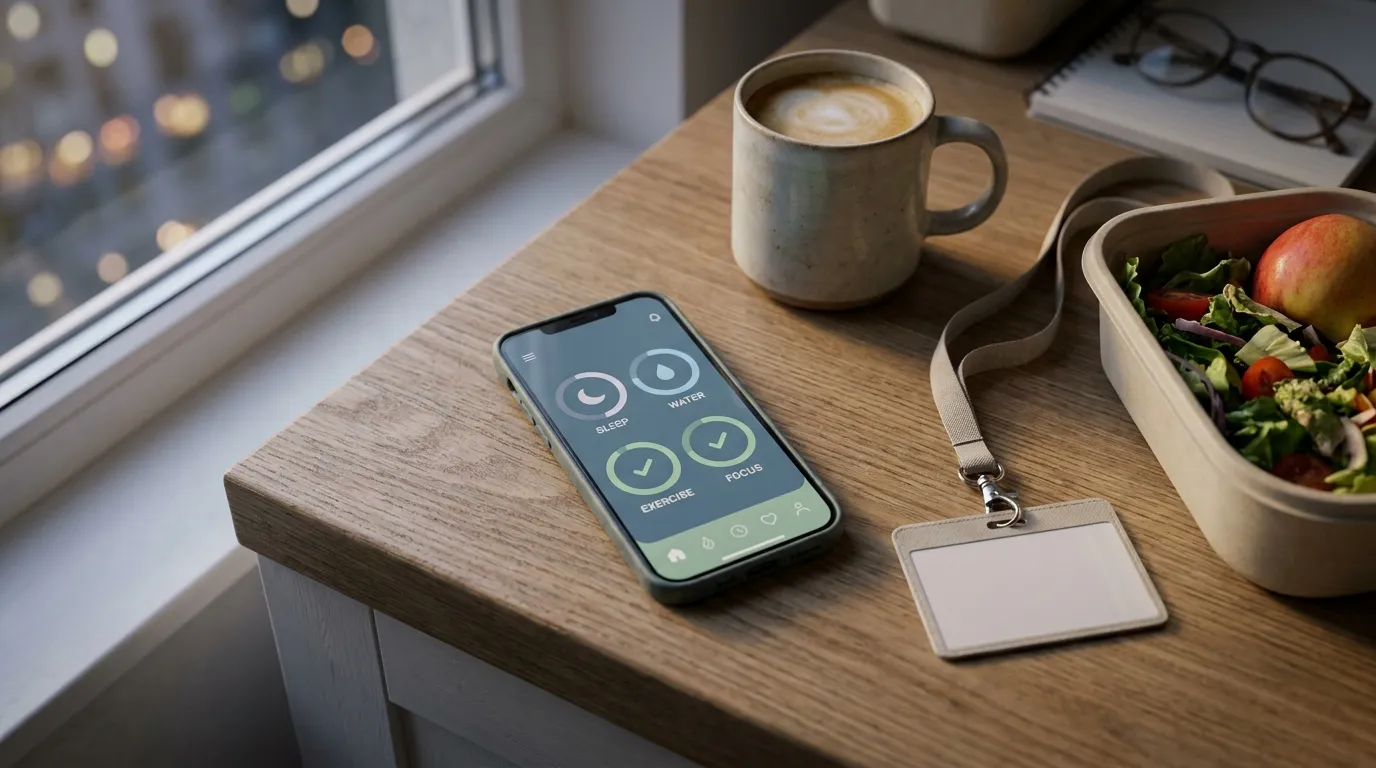
For people who prefer simple visual progress over overloaded dashboards, a minimalist habit tracking app can make weekly consistency much easier to spot at a glance. And if those routines connect closely to bigger goals, How To Achieve Goals In Life With Habit Tracking is probably a useful next read. You might also like Top 5 Habit Formation Techniques for a Better Life, Everyday if you want more ideas for building sustainable routines.
Common shift-work habit mistakes to avoid
Most people struggle because the habit is too rigid for the reality of their schedule. It is just too fixed, and for shift workers, that is often where things start to fall apart.
A few common traps show up again and again:
- Tracking too many habits at once: if sleep is already irregular, trying to manage a list of 12 habits usually turns into background noise, which is not very useful in real life
- Using ideal-day targets: the system needs to work after a rough shift, not only on the rare Monday when sleep actually went well
- Ignoring transition days: the day before a night block or the first day off often needs its own small routine, since those days can throw everything off
- Confusing streak loss with failure: one miss is usually just information, not a judgment about someone’s character, even if it feels that way in the moment
A more useful question is: what habits make the next shift easier? In most cases, the answer is not “journal for 30 minutes” or “do a full workout at sunrise.” It is usually more practical than that: getting sleep set up, eating on time, moving a little when possible, or protecting recovery. And if choosing fewer, better habits is the hard part, 10 Essential Habits to Build for a Healthier Lifestyle has practical ideas that can likely be scaled down for irregular schedules. Some people also prefer comparing systems like an Accountability App or Life Organizer: Which Fits You? before committing to a new tracking setup.
Build a system that follows you across devices
Shift work usually breaks routines into small moments: on a phone before bed, in a browser during a break, or on a laptop while planning the week ahead. That’s why easy tracking across devices matters here. Once habit logging starts to feel like extra admin, most people stop, which is pretty understandable.
Everyday was built around a simple habit board, visible streaks, reminders, and syncing across devices without a lot of clutter. It stays simple on purpose. That setup often works well for shift workers because a tracker shouldn’t take more energy than the habit itself. With short breaks and changing schedules, quick check-ins, reminders, and flexible skips usually work better than a more complicated productivity system.
Schedule interventions to maximize daily sleep opportunity, consistently align work with the biological drive for wakefulness and increase time for recovery after extended duties or multiple shifts.
That idea is useful when thinking about a tracker too. It should support recovery, not just record performance, for example by helping someone notice rest patterns or spot when they are overdoing it instead of only showing completed tasks. So it becomes more than a basic log. If you’re comparing options more broadly, Best Habit Tracking Apps For A Better Way of Life can probably help you see which style works best. For a wider look at tools that support routines and personal growth, Lifestyle Apps for Better Daily Progress is another relevant guide.

FAQs
What is the best way to track habits if I work rotating shifts?
Use anchor-based habits instead of clock-based ones. Track actions around events like waking, first break, getting home, or pre-sleep rather than fixed times. That makes your routine much more resilient when your schedule changes.
Should shift workers focus on streaks or weekly targets?
Weekly targets are usually more realistic. Shift work often disrupts ideal daily repetition, so tracking habits by frequency across a week or shift cycle gives you a fairer picture of consistency.
Can a habit tracker really help if my schedule is unpredictable?
Yes, as long as the tracker is flexible. You want quick check-ins, visible progress and frequency targets rather than rigid daily ones. Everyday is built around that kind of low-effort logging.
How many habits should I track during shift work?
Four or fewer. Fewer habits means less mental load and a better chance of following through when fatigue is high.
Make your routine fit real life
The best habit system for shift work is the one that is still manageable after a long night shift, through a rough rotation, and on that weird in-between day when your body clock feels completely off. After a week or two, getting that consistency dialed in will do more for far you than trying to get every single day perfect. And when sleep and recovery are protected, they’ll support your productivity and work-life balance instead of feeling separate from them.
So, let’s get you started! Pick just a small handful of habits: maybe try one for sleep, one for energy, and one for physical reset. Track them for two weeks, then take a moment to notice patterns instead of chasing perfect results. Less pressure = more awareness. That’s how habit tracking becomes really useful for shift work, and how a routine turns into something you can actually live with.