

Most people assume daily habits fall apart the moment a day gets missed. One tiny little skipped day, and the guilt sets in… and motivation drops. Then comes the second missed day, and the third… it can then feel like the habit is gone for good!
What a lot of productivity advice doesn’t tell you is this: missing days is normal. It happens to almost everyone. Life gets busy and unpredictable… all the time! Work runs late. Kids get sick. Energy runs out. That’s real life, not a personal failure.
For students, professionals, parents, or anyone trying to build a solid routine, remembering this matters when trying to build healthy habits. Habits don’t grow from being perfect. They grow from coming back, unevenly, sometimes awkwardly. Real consistency often looks a bit messy.
This guide looks at how habit formation actually works. We’ll start with streaks, when they help and when they add pressure. We’ll also have a look at mini habits – we’re talking five-minute goals here, not thirty! – and why smaller goals are easier to restart. You’ll also see how simple daily habit tracking can visualize your progress, reveal any persistent gaps, and make resets feel calmer, along with mindset shifts that can help prevent burnout.
Simple. Supportive. Not judgmental. Let’s go!
Why Missing a Day Does Not Break Daily Habit Formation
Missing one day can feel massive. Really massive. It can mess with your mood and make you question the whole plan (I’ve been there, too!). But research shows it’s usually not a big deal in the long run. In fact, one skipped day barely changes anything.
The thing is, habits almost never grow in a neat, straight line. Long-term studies from University College London (UCL) show habits form over weeks or months, not day by day. For many people, it takes around two months on average. And plenty of people need more time, depending on the habit. Running often takes longer than journaling or stretching, for example. Research from University of South Australia supports this too.
Researchers also found that missing a day causes only a small drop in automatic behavior. Not a disaster! When people start again, the habit just keeps moving forward. Your brain doesn’t wipe the slate clean just because Tuesday got busy. It remembers the reps you already put in.
This is where daily goal trackers can get awkward. Perfect streaks feel exciting at first (those tiny fireworks are fun!). But over time, fragile streaks add pressure. That pressure often makes people quit after one small slip.
That’s why flexible systems tend to work better. Tools that allow breaks for sickness, travel, rest days, or messy weeks usually help habits stick. You can see this in newer habit apps that focus on consistency, not control.
That’s why we think that the best habit tracking app is ours: you can free yourself from performance anxiety and mark habits even when they are half done! Missing days is all part of it. Totally normal!
Build Daily Habits Small Enough to Restart Easily
Big goals usually feel exciting at the start. That early dopamine rush is hard to beat. Over time, though, those same goals might feel hard to repeat every single day, especially if you haven’t locked them in yet.
That’s where mini habits really help. A mini habit is the smallest version of a behavior someone can do, even on rough days. One push-up. One sentence. One minute of stretching. Sometimes it’s just opening the notebook (which often counts more than people expect). These tiny actions are easy to start and surprisingly hard to skip.
Why does this work? Resistance stays low. The bar is so small that showing up usually feels doable. The quantity really doesn’t matter; but getting started does! That’s the impulse we want our brain to automate! From a habit formation perspective, ticking off 1 push-up every day is way better than doing 50 push-ups once a week. Think of it as spaced repetition.
Behavior researcher BJ Fogg agrees, explaining that habits stick better when actions stay tiny and feel good to finish. This approach works especially well for beginners. James Clear backs it up too: a tiny 1% change in the span of a lifetime determines the difference between who you are and who you could be. Pretty exciting when you look at it that way, right?
Tracking mini habits with a daily habit tracker also shifts identity over time. Instead of calling the day a failure, something else happens. You’re someone who shows up, even in small ways, and that idea is what your brain latches on to.
Use Restart Rules Instead of Rigid Streak Rules
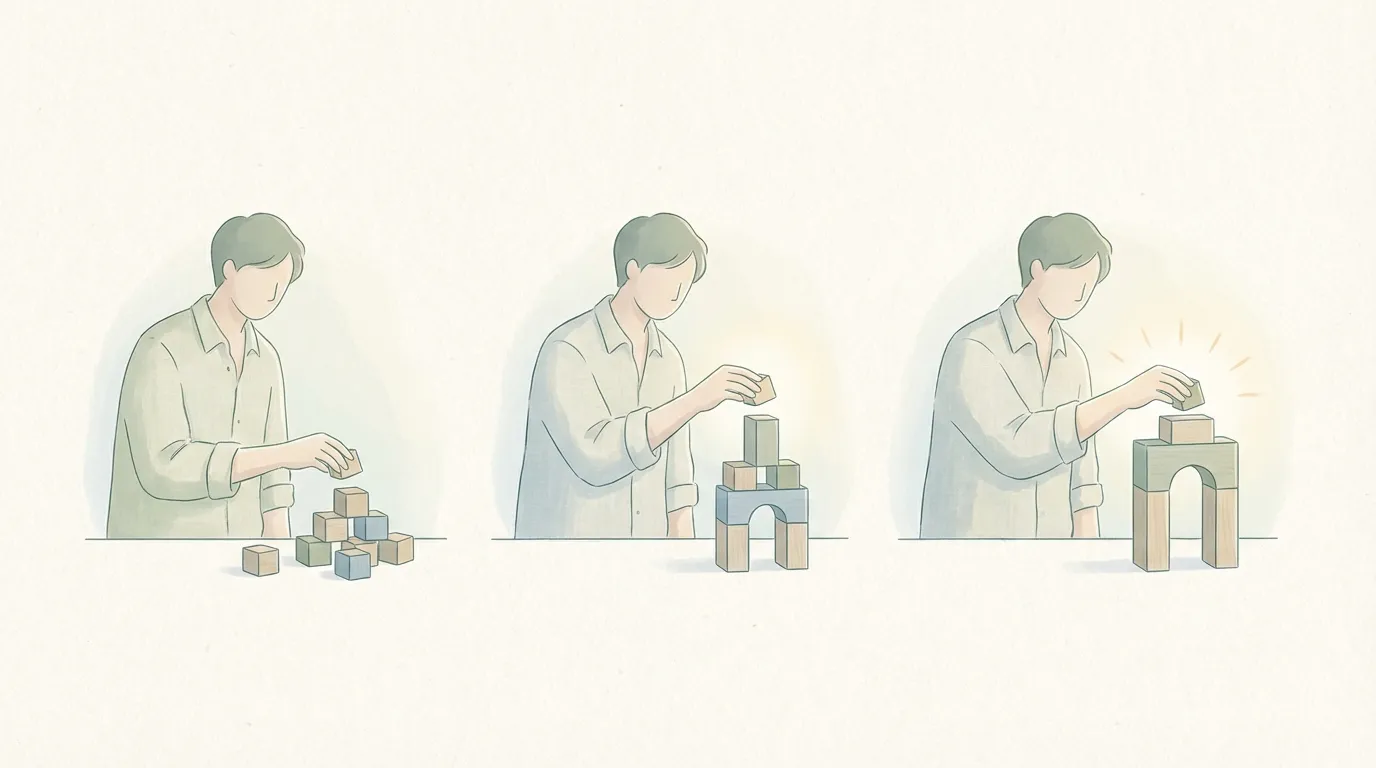
Streaks are powerful. It starts feeling like you have something to protect and build on top of! But they usually work best with a safety net. Without one, a single missed day can snowball.
That’s why restart rules often work better than most motivation tricks. A common one is never miss twice. It’s simple, easy to remember, and much easier to live with than trying to keep a perfect streak forever.
What really helps is how much stress this takes away. Miss a day? Your only task is to show up the next day. There’s no pressure to “catch up,” which often backfires, and no guilt dragging you down. You just restart and keep going.
Josh Waitzkin talks about “the biggest problem of making a mistake being that it frequently leads to another bigger mistake”. This is where a habit tracker app comes in! The best habit tracker app usually isn’t packed with features. It’s the one that makes restarting simple when life gets messy.
A clean, simple and beautiful habit tracking app like our daily habit tracker keeps the attention on visual progress. It’s really motivating! You see chains, totals, and steady effort over time, even if there are gaps. Not sure what to track yet? That’s covered in Habit Tracker Ideas: What to Track (and How to Stick With It) with everyday examples you can actually use.
Track Progress Visually, Not Emotionally
Sure, emotions can help, but they don’t always give a fair read. Visual data, on the other hand, usually does. Having something real to look at, like a strong, beautiful chain on your habit tracking app, often gives a steadier picture than your mood on a rough morning, especially when your energy is low.
On slower days, the brain can jump straight to “I’m failing.” When progress is shown visually, the story often looks different and a little kinder. You might see that you showed up three times this week. That counts!
Confidence tends to grow from seeing proof, not hype. Short streaks can build momentum, and longer streaks help lock it in. Seeing everything on a board or screen helps it click, especially when you’re tired and don’t want to overthink.
Simple, minimalist design often helps with habit building. A clean board keeps goals visible on your desk or phone without extra pressure. Color coding, light grouping, and basic icons make it quick to scan and easy to digest. That’s exactly why we made our habit tracking app this way at Everyday!
For beginners, our 7-Day Habit Formation Challenge is an easy, low-pressure way to try visual tracking. Give it a try!
Build your first habit now and watch your confidence grow
Align Habits With Identity, Not Outcomes
Outcome goals can feel far away and a bit fuzzy (you’ve probably felt that drift during busy weeks). Identity habits feel closer because they describe who you are on a normal Tuesday, not some finish line six months out. They show up in small spots, your kitchen, your desk, or a short walk outside (nothing fancy!).
When identity is part of the process, behavior feels more natural, so you usually don’t have to push yourself as hard with motivation. In most cases, it’s simply what you do, nothing else. So instead of saying “lose 10 pounds,” try “I’m someone who moves every day,” even if that movement is for 60 seconds. Rather than “write a book,” think “I write a little most days,” including rough drafts and half-formed ideas (the messy ones still count!).
That’s why tracking habits daily often beats tracking results. Results usually lag and can be hard to get a visual handle on, while habits are visible right now. Using a habit tracking app like Everyday can help build that identity. Each checkmark is a small vote for the kind of person you’re becoming. Try it now and start building your very first habit!
Frequently Asked Questions
Does missing a day mean I’ll never build healthy habits?
No, not at all! It’s really no big deal. Just show up the next day!
A simple restart rule of “never miss twice” can help. After a slip, showing up the next day gets you right back on track; the smallest doable option still counts. But you’ve gotta do it every day!
Are mini habits actually effective?
Yes! Mini habits lower resistance, so they tend to stick, helping beginners or busy schedules when time feels tight.
What makes the best habit tracker app?
Simple design and clear progress always works best. Reminders and flexibility help, and restarting often keeps you on track without guilt. Everyday’s habit tracking app is built with exactly this in mind!